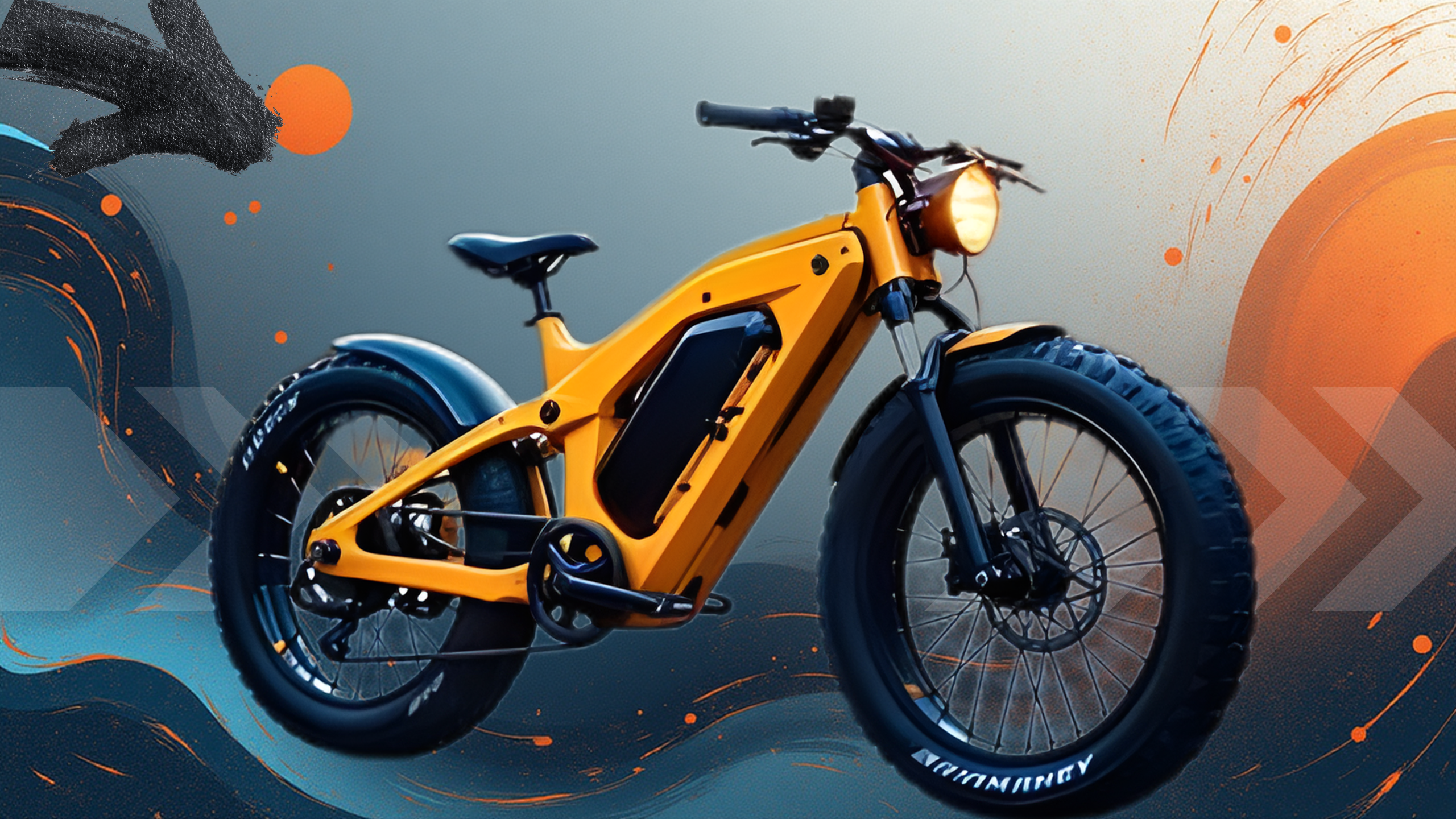
Samsung Electric Cycle Launched: The Indian electric mobility landscape witnessed a groundbreaking moment as Samsung, the global technology giant, officially entered the e-bike segment. With rising fuel costs, worsening traffic congestion, and growing environmental consciousness, Samsung’s electric cycle emerges as a compelling solution for millions of Indian commuters seeking sustainable transportation alternatives.
Understanding Samsung’s Bold Move into Electric Mobility
Samsung’s strategic expansion into electric cycles represents more than just product diversification. The company leverages its decades-long expertise in battery technology, smart connectivity, and consumer electronics to create a mobility solution that seamlessly blends innovation with everyday practicality. This move aligns perfectly with India’s push toward achieving ambitious electric vehicle adoption targets and reducing carbon emissions in congested urban centers.
The timing couldn’t be more strategic. India’s electric bicycle market is experiencing remarkable growth, with projections indicating an 11.5% compound annual growth rate through 2034. Urban commuters, students, delivery professionals, and fitness enthusiasts are increasingly recognizing electric cycles as viable alternatives to traditional transportation, driven by their zero-emission operation, minimal maintenance requirements, and cost-effectiveness over time.
Key Features That Set Samsung Electric Cycle Apart
Advanced Battery Technology and Impressive Range
Samsung’s reputation in battery innovation shines through in their electric cycle. The cycle incorporates high-capacity lithium-ion battery technology, drawing from the company’s extensive experience in smartphone and energy storage solutions. Depending on the variant, riders can expect ranges between 70km to 150km on a single charge, making it suitable for daily commuting, weekend recreational rides, and even light delivery operations.
The removable battery design adds remarkable convenience, particularly for urban dwellers living in apartments or shared accommodations. Users can simply detach the battery and charge it indoors using standard electrical outlets, eliminating the need for specialized charging infrastructure. The integrated battery management system intelligently optimizes power consumption, extends battery life, and provides protection against overheating and damage.
Powerful Yet Efficient Motor Performance
At the heart of Samsung’s electric cycle lies a 250W brushless hub motor, carefully calibrated to meet Indian electric bicycle regulations while delivering smooth, consistent performance. This motor configuration ensures the cycle handles urban traffic conditions, moderate inclines, and varied road surfaces with remarkable ease. The power delivery system strikes an optimal balance between speed, efficiency, and battery conservation.
The intelligent pedal-assist system represents another technological highlight. This feature automatically adjusts motor support based on pedaling effort, offering three distinct riding modes: Eco mode for maximum battery conservation, Normal mode for balanced everyday riding, and Power mode for faster speeds and challenging terrain. This versatility makes the cycle equally suitable for leisurely rides and time-sensitive commutes.
Smart Connectivity and Digital Integration
Samsung’s technological DNA becomes evident in the cycle’s smart features. The integrated digital display provides real-time information including speed, battery status, distance traveled, and riding mode. Through Bluetooth connectivity, riders can pair their smartphones to access additional features like GPS navigation, fitness tracking, ride analytics, and remote cycle locking.
The Samsung SmartThings integration elevates the riding experience further. Users can check battery status, locate their cycle via GPS tracking, schedule charging times, and receive maintenance alerts directly through their smartphones or Galaxy smartwatches. This seamless ecosystem integration transforms the electric cycle from a simple transportation device into a connected smart mobility solution.
Design Philosophy: Where Style Meets Functionality
Samsung has crafted an electric cycle that catches attention without sacrificing practicality. The sleek aluminum alloy frame ensures durability while maintaining a lightweight profile for easy handling in crowded urban environments. Hidden wiring and integrated components create a clean, futuristic aesthetic that appeals to younger, style-conscious riders.
Ergonomic considerations run throughout the design. Adjustable handlebars accommodate riders of varying heights, while the cushioned seat reduces fatigue during extended journeys. The front suspension system effectively absorbs bumps and uneven surfaces commonly encountered on Indian roads. LED headlamps and taillights enhance nighttime visibility, while disc brakes provide reliable stopping power in heavy traffic situations.
Understanding the Target Audience
Samsung designed this electric cycle with specific user segments in mind. College students seeking affordable, convenient campus transportation find exceptional value. Urban professionals looking to avoid traffic congestion and reduce commuting costs discover a practical solution. Delivery partners can complete their rounds efficiently without fuel expenses. Fitness enthusiasts enjoy the flexibility of combining exercise with electric assistance.
The cycle equally serves environmentally conscious individuals wanting to reduce their carbon footprint without compromising on modern technology and convenience. This broad appeal positions Samsung’s offering to capture significant market share across multiple demographic segments.
Expert Analysis: Market Impact and Competitive Positioning
Industry experts view Samsung’s entry into India’s electric cycle market as a potential game-changer. The combination of brand trust, technological superiority, and competitive pricing strategy could accelerate mainstream adoption of electric cycles across tier-2 and tier-3 cities where cost sensitivity remains high.
Samsung’s extensive service network throughout India provides a significant competitive advantage over many existing electric cycle manufacturers. Customers benefit from accessible after-sales support, readily available spare parts, and reliable warranty coverage—factors often cited as concerns when purchasing electric mobility products.
The company’s move may compel established players like Hero Lectro, EMotorad, and others to reassess their pricing, features, and technology offerings. This competitive pressure ultimately benefits Indian consumers through improved products and better value propositions.
Environmental Benefits and Sustainability Commitment
Electric cycles represent a tangible solution to India’s urban air quality challenges. By replacing even a fraction of daily fossil fuel-powered commutes with electric alternatives, cities can achieve measurable reductions in carbon emissions and noise pollution. Samsung’s electric cycle operates silently, contributing to quieter urban environments while eliminating tailpipe emissions entirely.
The lifecycle environmental impact extends beyond zero-emission riding. Samsung’s battery recycling initiatives and focus on sustainable manufacturing practices demonstrate corporate responsibility toward environmental stewardship. As awareness grows about climate change and air quality impacts, products like Samsung’s electric cycle enable individuals to make environmentally positive choices without sacrificing convenience or functionality.
Customer Perspectives and Early Feedback
Early discussions around Samsung’s electric cycle reveal significant enthusiasm from potential buyers. The integration of familiar Samsung technology, trusted brand reputation, and competitive features create strong purchase intent among urban commuters and tech-savvy consumers.
According to automotive industry analysis from AutoEVTimes, the cycle is expected to attract budget-conscious urban commuters and eco-conscious riders particularly through attractive financing options and warranty support through authorized dealers across India.
The Future of Smart Urban Mobility
Samsung’s electric cycle represents more than an isolated product launch—it signals the technology giant’s commitment to the broader electric mobility ecosystem. The integration with Samsung Health apps, compatibility with Galaxy wearables, and potential for future software updates positions this cycle at the intersection of transportation, fitness, and connected lifestyle.
As Indian cities continue expanding cycling infrastructure, developing dedicated bike lanes, and implementing supportive policies for electric vehicles, products like Samsung’s electric cycle will find increasingly favorable operating environments. The combination of supportive government initiatives, rising environmental awareness, and improving technology makes this an opportune moment for such innovations.
Conclusion
Samsung’s entry into India’s electric cycle market demonstrates how established technology companies can leverage their core competencies to address evolving mobility needs. The cycle combines advanced battery technology, smart connectivity, practical design, and environmental benefits into a compelling package for Indian consumers. As the electric mobility revolution gains momentum, Samsung’s offering stands positioned to play a significant role in transforming how millions of Indians approach daily transportation.