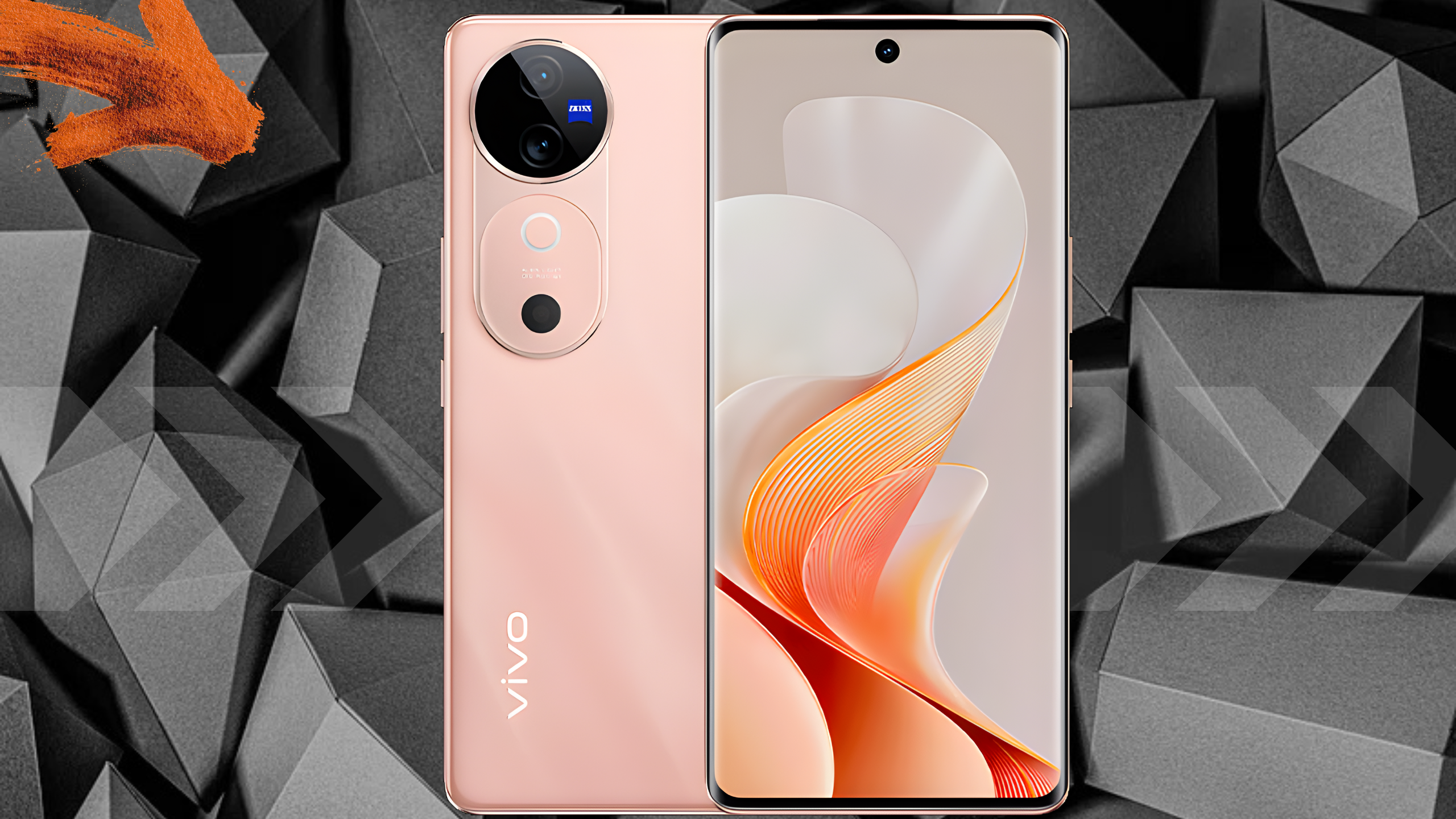
Vivo V40 5G Lunched: When Vivo launched the V40 5G in August 2024, it brought something genuinely exciting to India’s crowded mid-range smartphone market: ZEISS optics in a non-Pro variant for the first time. This wasn’t just a cosmetic upgrade—it represented Vivo’s commitment to democratizing professional-grade photography capabilities. For Indian buyers who’ve long associated excellent smartphone cameras with flagship prices, the V40 5G offers a compelling middle ground that doesn’t compromise on the essentials.
The V40 isn’t trying to be everything to everyone. Instead, it focuses intently on what Vivo does best—cameras, display quality, and sleek design—while maintaining everyday performance that’s more than adequate for most users. Whether you’re a content creator capturing Instagram stories in Delhi’s markets or a photography enthusiast documenting weekend trips to the Western Ghats, the V40 5G delivers an experience that punches above its weight class.
What Makes the Vivo V40 5G Special
The Indian smartphone market in late 2024 presents buyers with seemingly endless choices. Yet the V40 5G stands out through a combination of thoughtful upgrades and genuine innovation. The partnership with ZEISS, previously reserved for Pro variants, brings professional bokeh effects and color science to a wider audience. The phone’s IP68 rating—a significant leap from the V30’s modest IP54—means you can actually use this device confidently during Mumbai’s monsoons or at Goa’s beaches without constant worry.
Perhaps most impressively, Vivo has somehow packaged a massive 5,500mAh battery into a chassis that measures just 7.58mm thick. For context, that’s thinner than many phones with batteries half that size. The feat required innovation in battery cell chemistry, using silicon-carbon anodes instead of traditional graphite, but the result speaks for itself: all-day battery life in a phone that feels premium and svelte.
The V40 5G represents Vivo’s refined understanding of what Indian consumers actually need versus what spec sheets promise. While competitors chase benchmark scores and flashy features, Vivo focused on practical improvements—better water resistance, genuinely useful camera features, brighter displays, and stereo speakers (finally!). These might not generate headlines, but they significantly improve daily usability.
Design and Build Quality That Impresses
Pick up the Vivo V40 5G, and your first impression will be “this doesn’t feel like a mid-range phone.” The glass back features a unique wave-like texture that catches light beautifully, creating what Vivo calls a “Sparkling Water Ripple Effect.” The Ganges Blue variant we tested genuinely looks stunning, though it’s worth noting that like most glass-backed phones, it attracts fingerprints. Keeping a microfiber cloth handy becomes second nature.
The circular camera module housing the dual 50MP cameras sits proudly on the upper left, with the Aura Light ring positioned just below. This design language completely departs from previous V-series phones, giving the V40 its own identity. Some might find it bold, others understated—but it’s definitely distinctive. The curved edges flow seamlessly into the aluminum-reinforced plastic frame, creating an ergonomic grip that feels natural during extended photo sessions.
At 190 grams, the phone sits in that sweet spot where it feels substantial without becoming burdensome. The weight distribution is excellent, meaning even one-handed operation for extended periods doesn’t cause wrist fatigue. Vivo reinforced the four corners with customized aluminum alloy, addressing the most common impact points during drops. While we wouldn’t recommend testing this, it does provide peace of mind.
The IP68 and IP69 ratings deserve special mention. These certifications mean the V40 5G can survive submersion in 1.5 meters of water for 30 minutes and withstand high-pressure water jets. For Indian users dealing with unexpected rain, dusty conditions, or the occasional drink spill, this protection is invaluable. Previous V-series phones offered minimal protection, making this a genuinely significant upgrade.
Color options include Titanium Grey, Lotus Purple, and Ganges Blue. Each brings its own character—the Grey offers sophistication, the Purple adds playfulness, and the Blue (our favorite) captures that perfect balance. The glossy finish does show smudges, but the included case helps if you prefer keeping things pristine.
Display: Bright, Smooth, and Simply Gorgeous
The 6.78-inch AMOLED display on the V40 5G is genuinely exceptional. With a resolution of 2800×1260 pixels, it delivers razor-sharp content at 453 PPI. Text appears crisp, images pop with detail, and even fine print remains easily readable. The 120Hz refresh rate ensures everything from scrolling Twitter to playing games feels buttery smooth. Once you’ve experienced high refresh rates, going back to 60Hz feels jarring—the V40 spoils you in this regard.
Where the display truly excels is brightness. Vivo claims 4,500 nits peak brightness, and while that’s a maximum achieved only in specific HDR scenarios, the practical brightness is still impressive. Testing under harsh Delhi afternoon sun revealed comfortable visibility at around 1,190 nits in auto mode. Some competitors like the Honor 200 edge slightly ahead here, but the V40 holds its own admirably. Indoor usage at medium brightness levels preserves battery while maintaining excellent color reproduction.
The display supports 1.07 billion colors, resulting in vibrant yet natural color representation. You can choose between Standard, Professional, and Bright screen color modes depending on your preference. Standard offers balanced colors suitable for most content, Professional aims for color accuracy, and Bright cranks up saturation for that eye-catching pop some users prefer. The display also handles HDR content beautifully, with good contrast between dark shadows and bright highlights.
The curved edges create an immersive viewing experience, though they’re a bit polarizing. Some users love the flowing aesthetic and edge-to-edge feel, while others find them prone to accidental touches. During our testing, we occasionally triggered unintended actions while gripping the phone firmly, though this improved as we adapted our grip. If you’ve never used a curved display phone before, expect a brief adjustment period.
Schott Xensation Alpha glass protects the display—not quite Gorilla Glass Victus but still offering decent scratch and impact resistance. We didn’t notice any scratches after several weeks of testing, even when tossing the phone in pockets with keys. Still, applying a screen protector provides additional peace of mind, especially given India’s challenging conditions.
Performance: Solid Rather Than Spectacular
The Vivo V40 5G runs on Qualcomm’s Snapdragon 7 Gen 3 processor, a capable mid-range chipset that handles everyday tasks smoothly. For context, this is the same processor as the V30, meaning Vivo hasn’t pushed the performance envelope forward. The 4nm manufacturing process ensures good power efficiency, while the 1+3+4 core configuration (one 2.63GHz Cortex-A715 prime core, three 2.4GHz A715 cores, and four 1.8GHz Cortex-A510 efficiency cores) provides a sensible balance.
In practical use, the V40 delivers smooth performance for typical activities. Social media apps load quickly, web browsing feels snappy, and multitasking between several apps happens without noticeable lag. The phone scored around 830,000 on AnTuTu benchmark—respectable for this segment, though competitors like the POCO F6 and Realme GT 6T offer more raw power if gaming performance is your priority.
Gaming performance sits in the “good enough” category. Popular titles like BGMI, Call of Duty Mobile, and Genshin Impact run smoothly at medium to high settings. You won’t max out every graphic option on demanding games, but the experience remains enjoyable without frustrating stutters or frame drops. The vapor chamber cooling system manages heat well—even during extended gaming sessions, the phone warms up but never becomes uncomfortably hot. In 3DMark Wild Life Stress Test, the V40 scored an impressive 99.6% stability, with temperatures rising from 29°C to 42°C.
Where the V40 disappoints some users is its continued use of UFS 2.2 storage instead of the faster UFS 3.1 found in some competitors. In real-world usage, most people won’t notice the difference—apps still open quickly, and file transfers complete reasonably fast. However, power users transferring large video files or installing numerous heavy games might occasionally notice slower speeds compared to UFS 3.1-equipped phones.
RAM options include 8GB and 12GB of LPDDR4X, with the ability to expand by an additional 8GB using unused storage through Vivo’s RAM extension feature. Out of the box, around 7.3GB of the 8GB variant is actually usable, with approximately 3GB free after system apps load. This proved adequate during testing—we regularly ran 15-20 apps simultaneously without forced closures, though the memory management can be aggressive at times.
Camera System: The Real Star
The camera system represents the V40 5G’s strongest selling point, and rightfully so. For the first time, Vivo brought ZEISS collaboration to a non-Pro V-series model, fundamentally elevating the photography experience. The dual rear camera setup features two 50MP sensors: a primary camera with optical image stabilization and a 50MP ultra-wide lens. Up front, another 50MP sensor handles selfies with surprising capability.
The main 50MP camera uses the ISOCELL GNJ sensor with f/1.88 aperture and OIS, capturing impressive detail in varied lighting conditions. Daylight photography produces vibrant, sharp images with accurate colors and excellent dynamic range. Whether photographing architecture in Jaipur’s old city or capturing street food in Chennai, the camera consistently delivers share-worthy results. The OIS proves invaluable for handheld shots, significantly reducing blur in lower light.
Where the V40 truly shines is portrait photography. The ZEISS partnership brings professional-grade bokeh effects including the new B-speed style, which creates distinctive arc-triangle bokeh shapes used in Oscar-winning films. Seven bokeh types offer creative flexibility—from natural blur to more artistic effects. The AI facial contouring addresses common selfie issues like facial distortion and high hairlines, producing flattering yet realistic portraits.
Low-light performance impresses for this price segment. The large sensor captures 2.8 times more light than previous models, resulting in brighter, cleaner night shots. While not matching flagship-level night mode performance, the V40 holds its own admirably. Shooting at Mumbai’s Gateway of India after sunset produced usable images with good detail and manageable noise levels. The OIS becomes particularly valuable here, allowing slower shutter speeds without excessive blur.
The 50MP ultra-wide camera handles landscape and group shots well, maintaining good sharpness across the frame. Color consistency between the main and ultra-wide cameras is excellent—switching between lenses doesn’t produce jarring color shifts. Distortion correction at the edges works well, though some softness appears in extreme corners. For typical ultra-wide usage—capturing monuments, landscapes, or large gatherings—the performance is thoroughly satisfying.
Video capabilities are solid, supporting 4K recording at 30fps. The stabilization works well for walking shots, though more aggressive movements can introduce some wobble. The cinematic mode brings professional-looking focus transitions, automatically shifting focus based on subject gaze. For vloggers and content creators, this feature proves genuinely useful, producing compelling results without requiring manual focus pulls.
The 50MP front camera deserves special praise. Selfies come out sharp with accurate skin tones and good dynamic range. The AI facial contouring mentioned earlier doesn’t over-smooth faces—you get realistic results that enhance rather than completely alter your appearance. Group selfies benefit from the wide field of view, easily fitting 4-5 people in frame. Video calls look excellent, with good detail and color even in moderate lighting.
However, the camera system isn’t perfect. Detail capture can struggle in certain scenarios, particularly with fine textures at distance. The lack of a telephoto lens means digital zoom beyond 2x shows noticeable quality loss. For users frequently shooting distant subjects, this limitation matters. Additionally, the Aura Light—while three times brighter than before—still produces somewhat harsh lighting in extreme close-ups, though it’s excellent for filling shadows in portraits.
Real User Experiences and Feedback
Genuine user reviews from various platforms provide valuable insights into ownership experience. On GSMArena, owners share mixed but generally positive experiences. One user who’s used the phone for six months stated: “UFS 2.2 for me is fine and I don’t have any slowdowns using it. Camera, Battery and everything is very good. I will use and keep it forever and never believe those bad comments as they don’t know how to handle properly.”
Battery performance receives consistent praise across reviews. Users report 14-16 hours of heavy usage, with some achieving a full 24 hours under moderate use. One owner mentioned: “it dosen’t drain fast. it keeps me 14 – 16 hours of heavy use.” This aligns with our testing—the 5,500mAh battery easily lasted full days of photography, social media, and streaming content.
On Flipkart, camera performance dominates positive feedback. One buyer enthusiastically shared: “Camera performance like DSLR…❤️😍 Battery performance superb…👍 Overall very good 😊.” Another noted: “Very Nice Phone 😀 I’m buying for my beautiful wife because of this Colour Lotus Purple 💜 I’m using Vivo phone from the last 5 years…. Camera🤳:- i have vivo 29 pro and camera is very awesome but the camera of this phone is a little better than my previous phone.”
However, not all feedback is glowing. Some users report heating issues, particularly during intensive camera use. One reviewer mentioned: “Heating issue with this phone.. excellent photos.. but phone heat very Bradley while takes photos… Be careful before buying.” This appears to be an isolated experience rather than widespread, as most reviews don’t mention significant heating problems.
Professional reviews from 91Mobiles highlight the phone’s strengths while noting limitations: “With meaningful upgrades, the V40 comes as a decent option in mid-range. With ZEISS goodness, the phone offers a better portrait camera experience than its predecessor but somehow struggles to capture details in certain scenarios.” The review praised the bright display, long battery life, and sleek design while pointing out that some competitors offer better performance for the money.
Build quality receives widespread appreciation. The IP68 rating proves popular among buyers in coastal areas and regions with heavy monsoons. One owner from Mumbai specifically mentioned feeling confident using the phone during unexpected rain—something previous V-series phones couldn’t promise.
Software Experience and User Interface
The V40 5G ships with Android 14 overlaid with FunTouch OS 14, Vivo’s custom skin. While some find FunTouch OS cluttered with pre-installed apps, the overall experience is smooth and polished. Around 51 apps come pre-installed, including Facebook, Amazon, LinkedIn, PhonePe, Netflix, Truecaller, and Snapchat. Thankfully, most can be uninstalled or disabled if you prefer a cleaner setup.
The UI animations leverage the 120Hz display beautifully, creating a fluid experience throughout the interface. Vivo’s custom features include V-Appstore (their own app store), iManager (cleanup utility and security scanner), and Jovi Home, an AI assistant that learns your usage patterns and offers recommendations. Whether these prove useful depends on personal preference—some find them helpful, others ignore them entirely.
Customization options are extensive. You can modify the lock screen layout, choose from various always-on display styles, customize UI colors, and create dynamic effects. The OS offers three lock screen layouts and eight font styles, allowing significant personalization. Kinetic wallpapers add visual interest, responding to touch and movement. These touches make the phone feel more personal, particularly appealing to younger users who enjoy customization.
The AI Eraser feature deserves mention—it removes unwanted elements from photos quickly and effectively. Point at a photobomber or distracting background object, and the AI intelligently fills the space. Results vary depending on complexity, but for simple scenarios, it works remarkably well. This feature proved particularly useful during tourist photography where random people inevitably wander into frames.
Software update commitment from Vivo remains somewhat unclear. The company hasn’t officially announced the update policy for the V40, though speculation suggests two major Android updates and three years of security patches. This lags behind competitors offering three or even four years of updates. For buyers planning to keep their phone for 3-4 years, this uncertain long-term support could be concerning.
Notification management works well without the aggressive app killing some Chinese OEMs employ. Background apps run reliably, though memory management can occasionally close apps you’d prefer kept open. WhatsApp, Telegram, and email apps maintained connections consistently during testing, with notifications arriving promptly.
Battery Life and Charging Speed
The 5,500mAh battery in the V40 5G is genuinely impressive, especially considering the phone’s slim 7.58mm profile. Vivo achieved this through silicon-carbon anode technology instead of traditional graphite anodes, increasing energy density while maintaining safety. In practical terms, this translates to consistently excellent battery life that easily handles full days of varied usage.
During typical use—a mix of social media browsing, photography, video streaming, and messaging—the V40 consistently delivered 13-15 hours of screen-on time. Heavier days involving extensive camera use, gaming sessions, and navigation still left 15-20% battery by evening. For most Indian users, this means confidently leaving home without a power bank, knowing you’ll make it through the day.
The PCMark battery test resulted in 13 hours of runtime, indicating strong endurance. In real-world scenarios, light users focusing primarily on messaging and calls might stretch the battery to nearly two days. Moderate users will comfortably get through a full day with charge to spare. Only extremely heavy users—those streaming video for hours, playing graphics-intensive games, or using the camera extensively—might need a mid-day top-up.
Charging happens via the included 80W fast charger (in India; some regions don’t include the charger). From completely dead, the V40 reaches 36% in 15 minutes, 66% in 30 minutes, and full charge in approximately 46 minutes. This isn’t the absolute fastest charging available—some competitors offer 100W or even 120W charging—but it’s plenty fast for practical purposes. A quick 15-minute charge during breakfast provides hours of usage.
The phone includes various battery optimization features through FunTouch OS. Battery saver mode restricts background activity and reduces performance to extend runtime when needed. Smart battery management learns your charging patterns, optimizing battery health for longevity. The system also includes protections against overcharging and overheating, important for maintaining battery health over years of use.
One minor complaint: the V40 doesn’t support wireless charging. For a phone positioned as premium mid-range, this omission feels notable. While wired charging is faster, wireless charging offers convenience for desk or nightstand charging. Buyers prioritizing this feature should look elsewhere.
Audio Quality and Multimedia Experience
Previous V-series phones faced criticism for lacking stereo speakers, forcing users to accept mono audio. The V40 finally addresses this with a hybrid stereo setup—the bottom-firing speaker combines with the earpiece to create a stereo soundstage. The implementation is excellent, with each speaker reproducing some of the opposing speaker’s output for crossfade cancellation. The result sounds clean, crisp, and genuinely stereo.
Maximum volume is loud enough for most situations, though not the absolute loudest available. In noisy environments like trains or busy streets, you might wish for slightly more volume. But in typical home or office settings, the speakers easily fill a room. YouTube videos, Netflix content, and gaming all benefit from the stereo separation—dialogue, music, and sound effects occupy distinct spatial positions rather than muddling together.
Audio quality through headphones is excellent, thanks to Hi-Res audio certification. Whether using wired USB-C headphones or Bluetooth earbuds, the V40 produces detailed, well-separated sound. Dolby Atmos support enhances compatible content, creating immersive soundscapes in movies and games. The lack of a 3.5mm headphone jack disappoints audiophiles with wired headphones, though a USB-C to 3.5mm adapter solves this issue.
The vibrant AMOLED display combined with stereo speakers makes the V40 an excellent multimedia device. Binge-watching web series on Hotstar or Prime Video becomes genuinely enjoyable. The 120Hz refresh rate ensures smooth motion in action sequences, while the bright display maintains visibility even in well-lit rooms. HDR content looks particularly impressive, with deep blacks and bright highlights creating cinematic visuals.
Variants and Configuration Options
Vivo offers the V40 5G in three memory configurations, catering to different needs and budgets:
8GB RAM + 128GB Storage (Base Variant) The entry-level option provides adequate performance for typical users. The 128GB storage fills up faster than you’d expect once you start accumulating photos, videos, and apps, but it remains sufficient if you regularly backup content to cloud services. This variant offers the most accessible entry point to the V40 experience.
8GB RAM + 256GB Storage (Popular Choice) This configuration represents the sweet spot for most buyers. The additional storage removes the constant juggling of apps and files that plagues 128GB devices. For users who shoot lots of photos and videos but don’t need extreme multitasking power, this variant delivers excellent value.
12GB RAM + 512GB Storage (Top Specification) The flagship configuration offers future-proof performance and storage capacity. The 12GB RAM handles intensive multitasking effortlessly, keeping numerous apps active simultaneously. The 512GB storage means you’ll likely never worry about space—ideal for photographers, content creators, and anyone who prefers keeping everything on-device rather than in the cloud. This marks the first time a non-Pro V-series phone offered 512GB storage, addressing a common complaint about previous models.
All variants share the same camera system, display, battery, and design. The performance differences between 8GB and 12GB RAM matter primarily for heavy multitaskers and gamers. Average users won’t notice significant differences in day-to-day usage. Choose based primarily on storage needs and budget.
Color options remain consistent across all variants: Titanium Grey, Lotus Purple, and Ganges Blue. Each brings distinct personality—the Grey exudes professional elegance, the Purple appeals to younger, style-conscious buyers, and the Blue offers a unique Indian-inspired aesthetic.
Connectivity and Additional Features
The V40 5G offers comprehensive connectivity options befitting a modern smartphone. Dual 5G SIM support means you can use two 5G-enabled SIMs simultaneously, ideal for those maintaining separate work and personal numbers. The phone supports SA/NSA Sub-6 5G across major Indian carriers. During testing in Delhi, Jio 5G delivered impressive speeds exceeding 400 Mbps in areas with good coverage.
WiFi 6 support ensures fast, stable home network connections. Bluetooth 5.4 provides reliable connectivity to wireless earbuds, smartwatches, and other accessories with improved range and lower latency compared to older Bluetooth versions. The phone also includes NFC support in international variants, though frustratingly, Indian units lack NFC—a continuing omission from Vivo’s Indian lineup that prevents using Google Pay tap-to-pay at contactless terminals.
Location accuracy is excellent thanks to comprehensive satellite support including GPS, GALILEO, GLONASS, QZSS, BDS, and NavIC. Google Maps navigation proved reliably accurate during testing across multiple cities. The phone locks onto satellites quickly even in challenging urban canyon environments with tall buildings.
The in-display fingerprint sensor works well, though it’s positioned slightly lower than ideal on the screen. This low placement makes one-handed unlocking somewhat awkward, requiring you to stretch your thumb uncomfortably. Accuracy is good—the sensor reliably recognizes registered fingerprints with minimal failed attempts. Face unlock via the front camera provides an alternative that’s fast and convenient, though less secure than the fingerprint sensor.
Sensor array includes accelerometer, gyroscope, light sensor, magnetometer, and compass. Disappointingly, there’s no physical proximity sensor—instead, Vivo uses a virtual proximity sensor that proved unreliable during calls. The screen occasionally fails to turn off when holding the phone to your ear, leading to accidental button presses with your cheek. This is a known issue across multiple Vivo models that hopefully future software updates will address.
Competition and Alternatives
The mid-range segment overflows with compelling options, each offering different strengths. Understanding where the V40 5G fits helps determine whether it’s the right choice for your priorities.
The Honor 200 represents the V40’s closest competitor, offering similar ZEISS-branded cameras at comparable pricing. The Honor actually adds a 10MP 3x telephoto lens, providing better zoom capability. Its display achieves slightly higher brightness in typical usage. However, the V40 counters with better build quality, longer software support expectations, and Vivo’s more established service network across India.
The Realme 13 Pro+ costs slightly less while offering competitive camera performance and Gorilla Glass 7i display protection (more scratch-resistant than the V40’s Schott glass). However, its 100W charging advantage is offset by a smaller 5,200mAh battery. The V40’s superior IP68 rating and slimmer profile give it an edge for buyers prioritizing durability and aesthetics.
For performance-focused buyers, the POCO F6 and Realme GT 6T deliver significantly more processing power through their Snapdragon 8s Gen 3 processors. Gaming performance notably exceeds the V40, and both offer excellent value for money. However, neither matches the V40’s camera versatility or premium design. These phones target different buyers—gamers and power users versus photography enthusiasts.
The OnePlus Nord 4 undercuts the V40 on price while offering a metal unibody design and clean OxygenOS software experience. Its cameras can’t match the V40’s ZEISS-tuned setup, but it delivers snappy performance and long-term software support. For buyers prioritizing value over photography prowess, the Nord 4 merits strong consideration.
The Samsung Galaxy A55 enters consideration at the upper end of the V40’s price range. Samsung’s software support is industry-leading at four years of major updates and five years of security patches. Build quality is excellent with Gorilla Glass Victus+ protection. However, camera performance trails the V40, and Samsung’s One UI can feel bloated with pre-installed apps. The Galaxy offers peace of mind through longevity; the Vivo offers better photography.
Who Should Buy the Vivo V40 5G?
The V40 5G appeals to specific buyer profiles. Understanding whether you fit these categories helps determine if this phone matches your needs.
Photography Enthusiasts: The ZEISS-tuned cameras, professional bokeh effects, excellent selfie camera, and strong low-light performance make the V40 ideal for anyone prioritizing mobile photography. Content creators, Instagram enthusiasts, and hobbyist photographers will appreciate the creative flexibility and image quality.
Style-Conscious Buyers: The sleek 7.58mm profile, wave-ripple glass design, and distinctive color options appeal to those wanting a phone that looks premium and unique. The IP68 rating adds practical durability without compromising aesthetics.
Battery Life Prioritizers: The exceptional 5,500mAh battery in such a slim form factor suits users tired of mid-day charging anxiety. The combination of large capacity and power-efficient components consistently delivers full-day usage with comfort margin.
Display Quality Enthusiasts: The bright, vibrant AMOLED panel with 120Hz refresh rate provides an excellent viewing experience for multimedia consumption. Anyone spending significant time watching content, browsing social media, or reading will appreciate the display quality.
Vivo Ecosystem Users: Those already invested in Vivo’s ecosystem or who’ve had positive experiences with previous V-series phones will find the V40 a natural evolution offering meaningful improvements while maintaining familiar software and design philosophies.
However, several buyer types might want to consider alternatives:
Performance Seekers: Gamers and power users wanting maximum processing power will find better options offering flagship or near-flagship processors at similar or lower prices. The Snapdragon 7 Gen 3 is capable but not segment-leading.
Budget-Conscious Buyers: Those seeking maximum value per rupee might find phones offering similar specifications at lower prices, albeit with compromises in camera quality, build, or display.
Long-Term Software Support Prioritizers: Buyers planning to keep their phone 4-5 years should note Vivo’s uncertain update commitment compared to brands promising longer support periods.
Telephoto Photography Needs: Anyone regularly shooting distant subjects will miss having a dedicated telephoto lens, which some competitors offer.
The Value Proposition
Determining whether the V40 5G offers good value requires examining what you’re actually getting versus alternatives. The phone doesn’t win on specifications alone—competitors offer more RAM, faster storage, or more powerful processors at similar prices. However, the V40 succeeds through its holistic approach.
The ZEISS camera collaboration isn’t mere branding—it delivers tangible improvements in portrait photography and color science. The IP68 rating provides genuine peace of mind absent from most competitors. The 5,500mAh battery in a 7.58mm chassis represents engineering achievement competitors haven’t matched. The bright, vibrant display excels for multimedia consumption. These elements combine into an experience that feels more premium than the price suggests.
Vivo’s established service network across India also factors into value calculations. With authorized service centers in tier-2 and tier-3 cities, getting warranty support or repairs is significantly easier than with newer brands lacking widespread presence. For buyers in smaller cities, this accessibility carries real value.
The phone’s target market—young professionals, content creators, and photography enthusiasts—generally find excellent value here. The camera system justifies the price for these users, with other strong specs supporting the primary focus. However, buyers prioritizing raw performance, gaming capabilities, or absolute value-for-money might find better returns elsewhere.
Long-Term Outlook and Considerations
Thinking beyond the initial purchase experience, how will the V40 5G age? Several factors influence long-term satisfaction.
Build Quality: The IP68 rating and reinforced corners suggest the phone should handle daily wear well. The glass back is scratch-prone but not fragile. The curved display adds some drop risk but isn’t as vulnerable as extremely curved screens on other devices.
Software Updates: The uncertain update commitment is concerning for long-term viability. If Vivo provides only two major Android updates, the phone will stop receiving feature updates relatively soon. Security patches for three years should keep it safe, but this lags competitors offering longer support.
Battery Degradation: The large 5,500mAh battery provides buffer against capacity loss. Even if the battery degrades to 80% health after two years (typical for lithium batteries), you’d still have 4,400mAh effective capacity—more than many new phones offer.
Performance Aging: The Snapdragon 7 Gen 3 should remain adequate for typical tasks for 3-4 years. Apps will continue growing more demanding, but the chip’s capabilities exceed baseline requirements sufficiently to age gracefully. The 8GB RAM might feel limited in 3-4 years, making the 12GB variant better for longevity.
Camera Relevance: Camera hardware doesn’t age as dramatically as processors. The 50MP sensors will continue producing good images for years, though software features and computational photography on newer phones will advance. The ZEISS collaboration provides some future-proofing through software updates to image processing.
Final Verdict: A Camera-Focused Winner
The Vivo V40 5G excels at what it prioritizes: photography, display quality, design, and battery life. If these align with your needs, it represents an excellent choice that delivers consistent satisfaction. The ZEISS cameras genuinely elevate portrait and low-light photography beyond typical mid-range performance. The brilliant display, slim yet durable build, and exceptional battery life create a premium everyday experience.
However, the phone’s compromises matter for certain buyers. The unchanged processor disappoints performance enthusiasts. The UFS 2.2 storage falls behind segment standards. The uncertain software update commitment concerns long-term users. These aren’t deal-breakers for the target audience but warrant consideration against personal priorities.
Ultimately, the V40 5G succeeds by knowing its audience and catering to them exceptionally well. It’s not trying to be the fastest, the cheapest, or the most feature-packed. Instead, it focuses intensely on delivering a refined experience for photography-oriented users who value design and display quality. For that audience, it hits the sweet spot beautifully.
The mid-range smartphone segment offers no perfect phone—every option involves trade-offs. The V40 5G makes its compromises thoughtfully, sacrificing raw performance and absolute value to deliver exceptional camera capabilities, premium aesthetics, and practical durability. Whether those trade-offs align with your priorities determines whether this phone deserves your consideration.