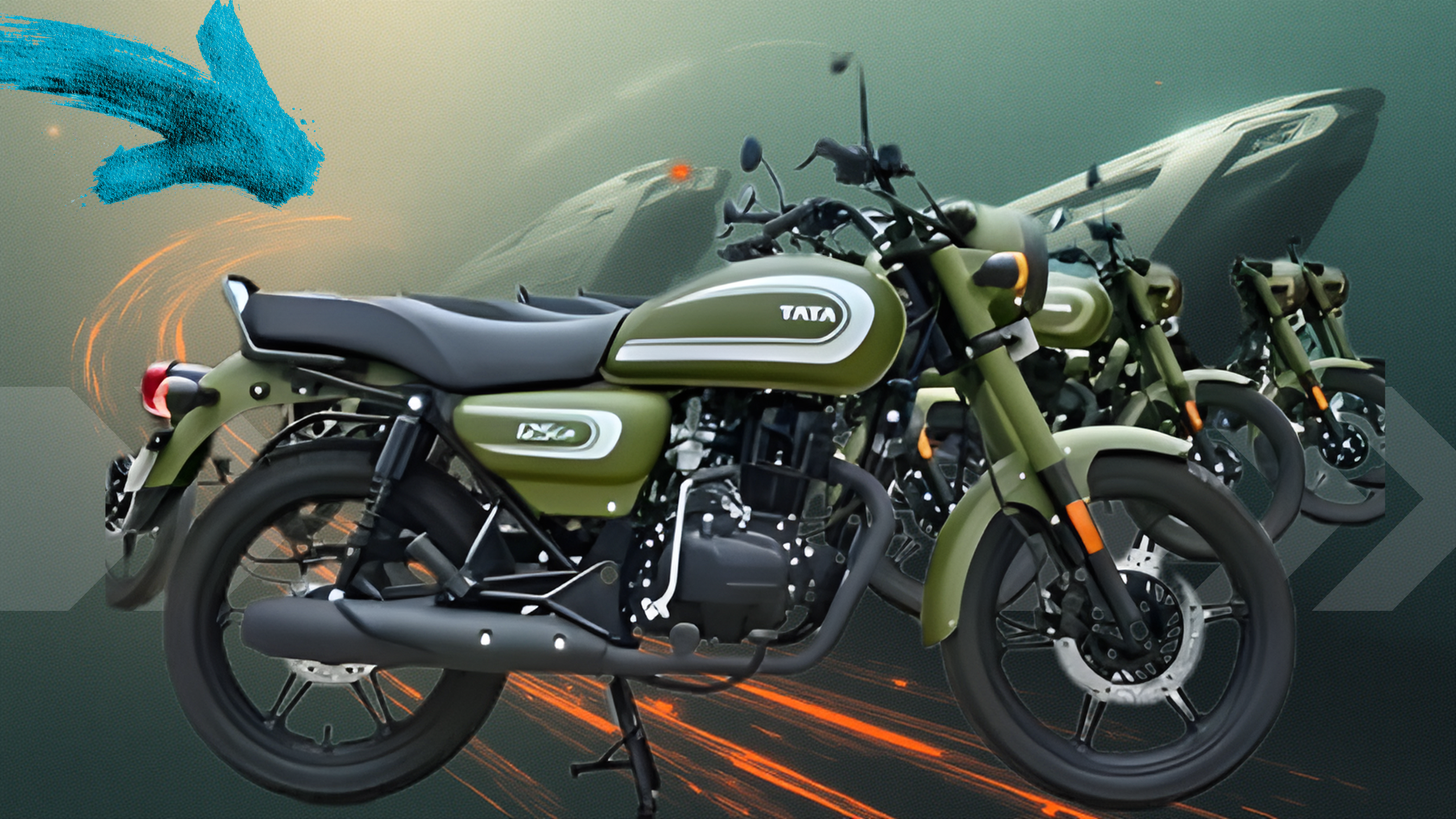
Tata 125cc Bike Launched: The Indian two-wheeler market has been abuzz with excitement about a potential Tata 125cc bike launch. Social media platforms, YouTube channels, and numerous websites have shared detailed specifications, attractive pricing, and impressive mileage figures. But what’s the real story behind this viral phenomenon? Let’s explore the facts, understand the market dynamics, and help you make informed decisions.
The Viral Sensation: What’s Being Claimed?
Over recent months, countless articles and videos have surfaced claiming Tata Motors is launching a revolutionary 125cc commuter motorcycle. The alleged specifications include remarkable 85-90 km/l mileage, competitive pricing between ₹42,000 to ₹55,999, and modern features like digital consoles and Bluetooth connectivity. These claims have generated tremendous excitement among budget-conscious Indian commuters who trust the Tata brand.
The rumored bike supposedly targets college students, office commuters, and first-time buyers seeking affordable yet reliable transportation. Many sources describe retro-inspired designs, chrome finishes, LED lighting, and advanced safety features typically found in premium motorcycles.
Understanding India’s 125cc Motorcycle Segment
Before examining the Tata bike claims, understanding the 125cc segment’s importance is crucial. This category represents one of India’s largest two-wheeler markets, with over 3 million units sold annually according to SIAM data. Popular models like Hero Splendor, Honda Shine, and Bajaj Pulsar 125 dominate this space, offering reliability and fuel efficiency.
Indian consumers prioritize three factors when purchasing 125cc motorcycles: affordability, exceptional mileage, and low maintenance costs. Rising fuel prices have intensified demand for economical transportation solutions, making this segment highly competitive and innovation-driven.
Tata Motors’ Automotive Legacy and Market Position
Tata Motors commands immense respect in India’s automotive industry. From the revolutionary Tata Nano to the successful Nexon EV, the company has consistently delivered value-oriented products. Their reputation for durability, widespread service networks, and customer-centric approach makes any Tata product announcement newsworthy.
Founded in 1945, Tata Motors has shaped Indian mobility through affordable cars and robust commercial vehicles. The brand’s acquisition of Jaguar Land Rover and focus on electric vehicles demonstrates their commitment to innovation and sustainability.
What Industry Experts and Fact-Checkers Reveal
Multiple automotive journalists and fact-checking platforms have investigated the Tata 125cc bike claims thoroughly. Their findings reveal important truths that potential buyers must understand.
MotorOctane, a respected automotive portal, published a fact-check article confirming that Tata Motors has made no official announcements regarding any motorcycle launch. The company’s official website, press releases, and verified social media accounts contain no information about two-wheeler projects.
Industry analyst Rajeev Bhatia from Auto Policy Forum notes that while Tata could potentially enter the two-wheeler segment, establishing manufacturing facilities, dealer networks, and spare parts infrastructure requires substantial investment and strategic planning. Such major expansions typically involve official announcements well in advance.
Why These Rumors Gained Traction
Several factors contributed to the widespread belief in these unverified claims. Tata’s brand reputation creates natural excitement around any potential product. Many Indians remember Tata’s earlier two-wheeler attempts and hope for their return to this segment.
The specifications mentioned in viral posts align perfectly with what budget-conscious consumers desire: outstanding mileage, affordable pricing, and modern features. This “too good to be true” combination appeals strongly to millions seeking economical commuting solutions.
Additionally, AI-generated images and professionally edited concept designs circulating online appear authentic, leading many to believe these represent real products. Social media algorithms amplify engaging content, regardless of accuracy, causing rapid misinformation spread.
Realistic Expectations for Any Future Tata Two-Wheeler
If Tata Motors eventually enters the 125cc segment, industry experts suggest more realistic specifications. Manufacturing costs, safety compliance, and quality standards mean pricing would likely range between ₹65,000 to ₹85,000 for a well-built commuter motorcycle.
Mileage figures would realistically fall between 55-70 km/l under real-world conditions, though marketing materials might claim higher numbers achieved in controlled testing environments. Features would include basic digital instruments, LED lighting, and CBS braking to meet current safety regulations.
Any genuine Tata two-wheeler would leverage the company’s engineering expertise, robust build quality, and extensive service network. These advantages could help Tata compete against established players despite being a market newcomer.
Expert Automotive Insights: What Buyers Should Consider
Dr. Ramesh Kumar from IIT Delhi explains that successful two-wheeler launches require more than competitive pricing. After-sales service, spare parts availability, and brand reputation significantly influence customer satisfaction and long-term ownership experience.
The Indian two-wheeler market is intensely competitive, with Hero MotoCorp, Honda, Bajaj, and TVS dominating through decades of market presence. Any new entrant faces challenges in building consumer trust, establishing dealerships, and creating efficient supply chains.
Experts emphasize that while Tata’s entry could disrupt the market positively through innovation and competitive pricing, consumers should verify information through official channels before making purchase decisions.
Market Impact and Competitive Landscape
Should Tata genuinely launch a 125cc motorcycle, the market impact would be significant. Established manufacturers might respond with improved features, competitive pricing, or enhanced warranty offerings to retain market share.
Tata’s extensive four-wheeler service network could provide competitive advantages in after-sales support. Their experience in electric vehicles might also enable unique hybrid or eco-friendly variants differentiating them from competitors.
The 125cc segment’s size and growth potential make it attractive for Tata’s diversification strategy. However, such strategic moves require careful planning, substantial capital investment, and regulatory compliance before official announcements occur.
Customer Perspectives and Market Sentiment
Many consumers express genuine interest in purchasing a Tata-branded motorcycle. Forum discussions reveal that Tata’s reputation for reliability and value makes potential buyers optimistic about their two-wheeler prospects.
Rohit Kumar, a marketing executive from Lucknow, shared on automotive forums that he would seriously consider a Tata motorcycle based on his positive experiences with Tata cars. This sentiment reflects broader market confidence in the brand’s ability to deliver quality products.
However, experienced riders caution against believing unverified claims. They recommend waiting for official announcements, checking authorized dealer information, and reading independent reviews before making purchase commitments.
How to Verify Authentic Information
With misinformation spreading rapidly, consumers need reliable methods for verifying product launches. Always check Tata Motors’ official website (tatamotors.com) for announcements. Verified social media accounts with blue checkmarks provide authentic company updates.
Reputable automotive portals like BikeWale, ZigWheels, and Autocar India maintain journalistic standards and verify information before publishing. These sources provide balanced coverage without sensational claims.
Avoid YouTube channels or websites using clickbait titles like “Tata’s Cheapest Bike Ever!” without official documentation. If claims sound extraordinarily good, approach with healthy skepticism until independent verification confirms authenticity.
The Broader Two-Wheeler Market Scenario
India’s two-wheeler industry continues evolving with electric vehicles gaining traction. Companies increasingly focus on sustainable mobility, smart connectivity, and enhanced safety features. Government initiatives like FAME II encourage eco-friendly transportation development.
The post-pandemic period has seen renewed focus on personal mobility solutions. Many consumers prefer individual vehicles over public transportation, driving two-wheeler demand across urban and rural markets.
Fuel price volatility makes efficient commuter motorcycles increasingly important. Any manufacturer offering genuine high-mileage solutions at competitive prices will find ready markets among cost-conscious Indian buyers.
Environmental and Economic Considerations
Rising environmental awareness influences purchasing decisions. Consumers increasingly consider emission standards, fuel efficiency, and environmental impact when choosing vehicles. Any new 125cc motorcycle must meet BS6 Phase II emission norms.
Economic factors like rising fuel costs, maintenance expenses, and total ownership costs significantly impact buying decisions. Manufacturers must balance performance, efficiency, and affordability to succeed in this competitive segment.
Tata’s electric vehicle expertise could potentially translate into innovative two-wheeler solutions combining traditional combustion engines with hybrid technologies, offering both performance and efficiency.
Making Informed Purchase Decisions
For consumers genuinely interested in purchasing 125cc motorcycles, several reliable options currently exist. Hero Splendor offers proven reliability and extensive service networks. Honda Shine provides refined performance and good resale value. Bajaj Pulsar 125 delivers sporty styling with commuter practicality.
When evaluating any motorcycle, consider factors beyond initial price. Service network availability, spare parts costs, fuel efficiency in real-world conditions, and resale value significantly impact long-term ownership satisfaction.
Test rides at authorized dealerships help assess comfort, handling, and features. Reading owner reviews and joining motorcycle enthusiast communities provides valuable insights from actual users sharing honest experiences.
The Importance of Responsible Information Sharing
Content creators and social media users share responsibility for preventing misinformation spread. Sharing unverified claims without proper fact-checking misleads consumers and damages credibility.
Before sharing exciting news about product launches, verify through official sources. Ask critical questions: Has the company officially announced this? Do reputable journalists confirm these details? Are there verifiable sources backing these claims?
Responsible digital citizenship requires thoughtful content evaluation before amplification. This protects vulnerable consumers from making uninformed decisions based on false information.
Looking Ahead: Tata’s Future Mobility Plans
While no official 125cc motorcycle announcement exists, Tata Motors continues focusing on electric vehicles, passenger cars, and commercial vehicles. The company’s strategic priorities emphasize sustainable mobility solutions and technological innovation.
Industry observers note that Tata could potentially explore two-wheeler opportunities in the future, particularly in electric segments where their expertise could create differentiated products. However, such strategic decisions require comprehensive market analysis and careful planning.
Tata’s commitment to affordable, reliable transportation for Indian consumers remains strong. Whether this eventually includes motorcycles depends on market conditions, strategic priorities, and competitive dynamics.
Final Verdict: Facts Over Fiction
The truth about the Tata 125cc bike is clear: no official launch has occurred or been announced by Tata Motors. The viral claims circulating online represent speculation, wishful thinking, and in some cases, deliberate misinformation designed to generate website traffic or video views.
For consumers hoping for a Tata-branded motorcycle, patience and vigilance are essential. Monitor official Tata Motors channels for authentic announcements. Until then, focus on currently available, proven motorcycles from established manufacturers.
The lesson extends beyond this specific case. In today’s digital age, verifying information before believing or sharing protects everyone from misinformation’s harmful effects. Critical thinking and source verification should guide all significant purchase decisions.
Conclusion: Empowered Consumer Choices
Understanding the reality behind the Tata 125cc bike buzz empowers consumers to make informed decisions. While the prospect of a Tata motorcycle excites many, basing decisions on verified facts rather than viral rumors serves everyone’s best interests.
India’s two-wheeler market offers numerous excellent options for budget-conscious commuters. Research thoroughly, compare alternatives, test ride multiple models, and choose based on actual needs and verified specifications rather than unconfirmed claims.
Should Tata Motors eventually launch motorcycles, their reputation suggests they’ll deliver quality products backed by proper infrastructure and support. Until that official announcement arrives, focus on making smart choices with currently available, tested, and proven two-wheeler options.
Disclaimer: This article aims to provide factual information about the rumored Tata 125cc bike based on publicly available information and fact-checking reports. No official Tata Motors announcement regarding any motorcycle launch exists as of December 2025. Readers should verify all product information through authorized dealers and official company channels before making purchase decisions. This content serves educational purposes only and does not constitute purchase advice or official product endorsement.