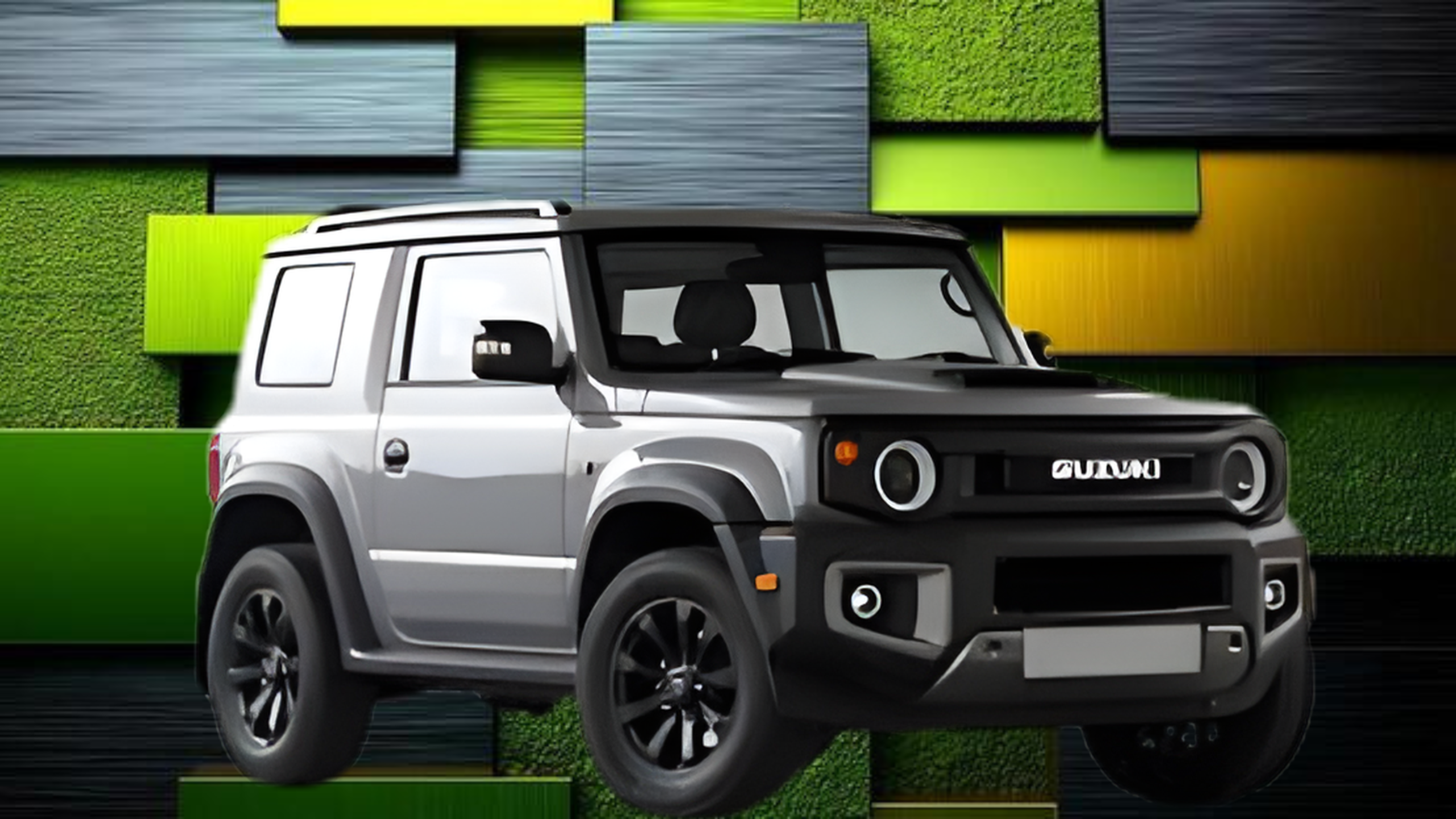
Suzuki Samurai 2025 Launched: The automotive world is buzzing with excitement as Suzuki prepares to revive one of its most legendary nameplates. The Suzuki Samurai 2025 represents a bold return of the iconic compact off-roader that captured hearts during the 1980s and 1990s. This modern interpretation combines the rugged, no-nonsense character of the original with contemporary engineering, advanced safety features, and premium comfort elements that today’s Indian buyers demand.
For adventure enthusiasts, urban explorers, and anyone who appreciates the charm of classic off-road vehicles reimagined for the modern era, the Samurai 2025 promises to deliver an compelling package. This comprehensive guide explores everything Indian buyers need to know about this exciting comeback.
The Legendary Samurai Heritage
Before diving into the 2025 model, understanding the Samurai’s illustrious past helps appreciate what makes this revival so special. The original Suzuki Samurai debuted in 1986 as a lightweight, affordable off-roader designed specifically for challenging terrains in developing markets like India and Africa where paved roads were scarce.
In India, the Samurai nameplate also graced a popular motorcycle produced through the Suzuki-TVS partnership from 1996 to 2002. That two-wheeler earned a cult following for its distinctive styling borrowed from the Suzuki Shogun and its powerful two-stroke engine character. According to enthusiastic reviews on Bikes4Sale, many owners treasured their Samurais for decades, praising the bike’s reliability and spirited performance.
The automotive Samurai, known internationally as the Jimny in many markets, built an equally devoted following. Owners on Kelley Blue Book gave the vehicle an impressive rating, with one enthusiast sharing: “I had a brand new Samurai, and it was the best vehicle I ever owned. In the twenty years I owned it, I only needed one set of tires, one set of front brakes, and one battery. It got over forty miles per gallon.”
Available Variants and Configurations
Suzuki plans to offer the Samurai 2025 in multiple variants designed to cater to different buyer preferences and budgets. Each variant balances affordability with capability while offering distinct feature sets.
| Variant | Key Highlights | Target Buyer |
|---|---|---|
| Base Variant | Essential features, manual transmission, basic infotainment | Budget-conscious buyers, commercial users |
| Mid Variant | Touchscreen system, alloy wheels, rear parking sensors | Practical daily drivers seeking value |
| Top Variant | Leather upholstery, automatic transmission, premium audio | Comfort-focused buyers wanting luxury |
| 4×4 Variant | Four-wheel drive, terrain modes, off-road tires | Adventure enthusiasts, serious off-roaders |
Available Colors
Suzuki understands that personalization matters to Indian buyers. The Samurai 2025 will be available in eye-catching shades that emphasize its adventurous character:
| Color Name | Description | Visual Appeal |
|---|---|---|
| Glacier White | Clean, premium white with metallic finish | Classic, easy to maintain |
| Boulder Gray | Sophisticated gray with matte undertones | Modern, urban aesthetic |
| Desert Yellow | Bold yellow inspired by dune landscapes | Adventurous, attention-grabbing |
| Forest Green | Deep green reflecting nature exploration | Rugged, outdoorsy character |
| Shadow Black | Sleek black with glossy finish | Elegant, universally appealing |
| Arctic White | Pure white with subtle blue tint | Fresh, contemporary look |
Engine Performance: Power Meets Efficiency
The heart of any vehicle determines its character, and Suzuki has equipped the Samurai 2025 with powertrains designed to excel both on tarmac and off the beaten path. Indian buyers will have access to multiple engine options depending on market positioning and regulatory approvals.
Petrol Engine Options
1.5L Turbocharged Petrol Engine
The flagship powertrain represents Suzuki’s modern approach to balancing performance with fuel economy:
| Specification | Details |
|---|---|
| Engine Type | 1.5L Turbocharged 4-cylinder petrol |
| Maximum Power | 160 HP @ 5,500 rpm |
| Peak Torque | 250 Nm @ 2,000-4,500 rpm |
| Transmission Options | 6-speed manual / 6-speed automatic |
| Drivetrain | Front-wheel drive (2WD) / Four-wheel drive (4WD) |
| Fuel Efficiency (ARAI) | 18-20 km/l (2WD) / 16-18 km/l (4WD) |
| Fuel Tank Capacity | 38 liters |
| Real-world Range | Approximately 600-700 km per tank |
This turbocharged unit delivers impressive low-end torque that makes navigating steep inclines and challenging terrain surprisingly effortless. The turbocharger spools quickly, minimizing lag and providing responsive acceleration from as low as 2,000 rpm. This characteristic proves particularly valuable during off-road adventures where maintaining momentum over obstacles requires immediate power delivery.
The six-speed manual gearbox offers precise shifts and gives drivers complete control over gear selection—essential for technical off-road driving. The optional six-speed automatic transmission features manual mode via steering-mounted paddle shifters, allowing drivers to manually select gears when needed while enjoying the convenience of automatic operation in traffic.
1.5L Naturally Aspirated Petrol Engine
For buyers prioritizing simplicity and predictability, Suzuki may also offer a naturally aspirated petrol option:
| Specification | Details |
|---|---|
| Engine Type | 1.5L 4-cylinder naturally aspirated petrol |
| Maximum Power | 102-105 HP @ 6,000 rpm |
| Peak Torque | 138 Nm @ 4,400 rpm |
| Transmission | 5-speed manual |
| Fuel Efficiency | 20-22 km/l |
| Character | Linear power delivery, simple maintenance |
This engine trades outright performance for reliability, fuel efficiency, and lower maintenance costs. The naturally aspirated configuration means no turbocharger components to service, potentially reducing long-term ownership expenses.
Mild-Hybrid Technology
Select variants may incorporate Suzuki’s proven mild-hybrid system that enhances fuel economy and provides torque assistance:
- 48-volt integrated starter generator: Captures energy during braking
- Torque assist function: Provides electric boost during acceleration
- Idle start-stop system: Automatically shuts off engine at traffic lights
- Battery regeneration: Converts kinetic energy into electrical energy
- Improved fuel economy: Up to 10-15% better efficiency compared to non-hybrid versions
The mild-hybrid system operates seamlessly in the background, requiring no special driver input while delivering tangible benefits in real-world fuel consumption.
Exterior Design: Boxy Charm Meets Modern Refinement
The Samurai 2025’s exterior design philosophy centers on honoring the original’s iconic boxy silhouette while incorporating contemporary design elements and improved aerodynamics. Suzuki’s designers have walked a fine line between nostalgia and modernity, creating a vehicle that looks both timeless and fresh.
Front Fascia
The face of the Samurai immediately communicates its off-road intentions. A bold, upright grille dominates the front end, featuring vertical slats that reference the original model while appearing distinctly modern. The Suzuki emblem sits prominently in the center, flanked by circular LED headlamps that pay homage to the classic round headlights of vintage off-roaders.
LED daytime running lights integrate seamlessly into the headlamp housing, providing excellent visibility while adding a high-tech touch. The front bumper incorporates functional elements including:
- Integrated LED fog lamps: Improve visibility in adverse weather
- Skid plate: Protects undercarriage from rocks and obstacles
- Tow hooks: Finished in contrasting colors for visual appeal and practical recovery operations
- Air intakes: Positioned high to maintain functionality during water crossings
Side Profile
From the side, the Samurai 2025 showcases its compact proportions and purposeful stance. Key design elements include:
Chunky Wheel Arches: Pronounced fender flares accommodate larger tires while adding visual muscle. Black plastic cladding provides scratch resistance during off-road adventures.
Short Overhangs: Minimal front and rear overhangs maximize approach and departure angles, essential for tackling steep inclines without scraping bumpers.
High Ground Clearance: Suzuki has engineered 210mm of ground clearance, ensuring the Samurai can navigate rough terrain, deep potholes, and flooded streets that would challenge conventional vehicles.
Side Steps: Integrated running boards assist entry and exit while providing a mounting point for off-road accessories.
Roof Rails: Functional aluminum roof rails support cargo carriers, roof tents, and other adventure equipment.
Two-tone Paint Option: Higher variants feature contrasting roof colors that enhance the Samurai’s visual presence.
Rear Design
The rear of the Samurai 2025 maintains the functional, squared-off aesthetic. A side-opening tailgate pays tribute to the original design while incorporating modern LED tail lamps arranged in a distinctive pattern. The rear bumper mirrors the front design with an integrated step for accessing roof-mounted cargo and a mounted spare wheel that emphasizes the vehicle’s off-road credentials.
Dimensions and Proportions
| Dimension | Measurement |
|---|---|
| Overall Length | 3,985 mm |
| Overall Width | 1,645 mm |
| Overall Height | 1,725 mm |
| Wheelbase | 2,550 mm |
| Ground Clearance | 210 mm |
| Turning Radius | 4.9 meters |
| Kerb Weight | 1,135-1,200 kg |
These compact dimensions make the Samurai remarkably maneuverable in congested Indian cities while the generous ground clearance and short overhangs ensure serious off-road capability.
Interior Comfort: Rugged Meets Refined
Step inside the Samurai 2025, and you’ll discover a cabin that successfully balances utilitarian toughness with modern comfort expectations. Suzuki has focused on creating an interior that feels premium without sacrificing the practical, adventure-ready character that defines the Samurai ethos.
Dashboard and Layout
The dashboard design emphasizes simplicity and functionality. A horizontal layout creates a sense of width while maintaining clear sight lines to all controls. Soft-touch materials cover high-contact areas including the dashboard top, door armrests, and center console, while durable plastics handle lower sections that might encounter mud or water during off-road excursions.
The center stack houses the infotainment touchscreen positioned at an ideal height and angle for easy viewing without obstructing forward visibility. Physical controls for climate functions remain easily accessible, allowing drivers to adjust temperature without navigating through touchscreen menus—a thoughtful touch for off-road situations where attention must remain focused on terrain.
Seating and Space
Front Seats: The Samurai 2025 offers well-bolstered front seats with generous adjustability. Base variants feature durable fabric upholstery designed to withstand heavy use and easy cleaning. Mid and top variants upgrade to premium synthetic leather or genuine leather with contrast stitching. The seats provide surprising long-distance comfort despite the vehicle’s compact dimensions.
Rear Seats: The rear bench accommodates three passengers, though two adults will find the space more comfortable for extended journeys. The upright seating position maximizes headroom, and legroom proves adequate for average-height occupants. The 60:40 split-folding rear seats expand cargo capacity when needed.
Cabin Dimensions
| Interior Measurement | Specification |
|---|---|
| Front Headroom | 1,020 mm |
| Front Legroom | 1,045 mm |
| Rear Headroom | 995 mm |
| Rear Legroom | 880 mm |
| Shoulder Room (Front) | 1,305 mm |
| Boot Capacity (Seats Up) | 208 liters |
| Boot Capacity (Seats Folded) | 1,163 liters |
Storage and Practicality
Despite its compact exterior, the Samurai offers numerous storage solutions:
- Glovebox: Spacious compartment with cooling function on higher variants
- Door Pockets: Large enough to hold 1-liter bottles
- Center Console: Generous storage bin with dual cupholders
- Overhead Sunglass Holder: Convenient placement for eyewear
- Rear Seat Pockets: Behind front seats for additional storage
- Cargo Area: Underfloor storage compartment hides tools and valuables
The rear cargo area features tie-down hooks at multiple points, allowing secure fastening of equipment during off-road adventures. The flat load floor when seats are folded creates a versatile space suitable for camping gear, photography equipment, or even serving as a sleeping platform for solo adventurers.
Technology and Infotainment
Modern vehicles must satisfy tech-savvy buyers who expect seamless connectivity and advanced features. The Samurai 2025 incorporates contemporary technology while maintaining user-friendly operation that doesn’t distract from the driving experience.
Infotainment System
Touchscreen Display: The Samurai features a 9-inch touchscreen infotainment system (7-inch on base variant) with responsive touch sensitivity and crisp graphics. The system runs Suzuki’s latest interface software, which prioritizes intuitive menu navigation and quick response times.
Smartphone Integration: Wireless Android Auto and Apple CarPlay come standard on mid and top variants, allowing seamless connection of smartphones without cables. The system mirrors phone functions including navigation, music streaming, messaging, and calls through the vehicle’s interface.
Voice Commands: Natural voice recognition allows drivers to control navigation, music, and phone functions without removing hands from the steering wheel—crucial for maintaining control during off-road driving.
Audio System: Base variants feature a four-speaker setup adequate for most listeners. Top variants upgrade to a premium six-speaker system with dedicated tweeters delivering clearer high frequencies and improved sound staging.
Digital Instrumentation
The driver faces a semi-digital instrument cluster combining analog speedometer and tachometer with a central multi-information display showing:
- Trip computer data (fuel economy, range, average speed)
- Off-road information (inclinometer, altimeter, compass)
- Tire pressure monitoring
- Turn-by-turn navigation prompts
- Safety system status
- Gear position indicator
Top variants may feature a fully digital 7-inch TFT instrument cluster offering customizable display layouts and enhanced graphics.
Connectivity Features
| Feature | Availability |
|---|---|
| Bluetooth Connectivity | Standard across all variants |
| Wireless Charging | Mid and top variants |
| USB Ports | 2 front, 1 rear (top variant) |
| 12V Power Outlet | Standard |
| Steering-Mounted Controls | Audio, phone, cruise control |
| Wireless CarPlay/Android Auto | Mid and top variants |
| Wired CarPlay/Android Auto | Base variant |
Safety Features: Protection On and Off Road
Suzuki recognizes that adventure-ready vehicles must provide comprehensive protection for occupants. The Samurai 2025 incorporates both passive and active safety systems designed to prevent accidents and minimize injury severity if collisions occur.
Passive Safety Equipment
Airbags: The Samurai comes equipped with dual front airbags as standard, with mid and top variants adding four additional airbags (side and curtain) for six-airbag total protection. These supplemental restraint systems deploy in milliseconds during impacts, cushioning occupants and reducing injury risk.
Body Structure: Suzuki employs TECT (Total Effective Control Technology) body construction that strategically places high-strength steel in critical areas. This design creates defined crumple zones that absorb impact energy while maintaining a rigid passenger compartment. The Samurai 2025 targets a four-star Global NCAP safety rating.
Seatbelts: All seating positions feature three-point seatbelts with pretensioners that automatically tighten during collisions. Front seatbelts include load limiters that control restraint forces to minimize chest injuries.
ISOFIX Anchors: Rear seats include ISOFIX child seat mounting points, allowing secure installation of compatible child restraint systems.
Active Safety Systems
Modern active safety technologies help drivers avoid accidents entirely:
| Safety Feature | Function | Availability |
|---|---|---|
| ABS with EBD | Prevents wheel lockup during braking, optimizes brake force distribution | Standard |
| Electronic Stability Control (ESC) | Detects and reduces loss of traction, applies individual brakes to maintain control | Standard on mid/top variants |
| Hill Hold Control | Prevents rollback when starting on inclines | Standard |
| Hill Descent Control | Maintains controlled speed on steep descents without brake pedal input | Available on 4WD variants |
| Rear Parking Sensors | Audio alerts warn of obstacles behind vehicle | Mid and top variants |
| Rear Parking Camera | Visual display shows rear view when reversing | Mid and top variants |
| 360-Degree Camera | Four cameras provide bird’s-eye view around vehicle | Top variant only |
| Tire Pressure Monitoring | Alerts driver to low tire pressure | Standard |
Off-Road Safety Considerations
The Samurai 2025’s safety philosophy extends beyond crash protection to preventing incidents during off-road adventures:
Approach/Departure Angles: Generous angles (approaching 37° front, 49° rear) prevent bumper damage when climbing or descending steep obstacles.
Wading Depth: The Samurai can safely ford water up to 300mm deep without risking engine or electrical system damage.
Underbody Protection: Strategic skid plates protect vital components including engine oil pan, transmission, transfer case, and fuel tank.
Recovery Points: Factory-fitted tow hooks at front and rear facilitate vehicle recovery if stuck in challenging terrain.
Off-Road Capability: Born for Adventure
While the Samurai 2025 performs admirably as a daily urban driver, its true character shines when venturing off paved roads. Suzuki has engineered genuine off-road capability rather than merely styling cues.
Four-Wheel Drive System
The available four-wheel drive system employs part-time engagement, allowing drivers to select between two-wheel drive for efficient on-road cruising and four-wheel drive when traction demands increase:
2H (Two-Wheel Drive High Range): Power drives the front wheels only, optimizing fuel economy for normal road conditions.
4H (Four-Wheel Drive High Range): Power distributes to all four wheels for improved traction on loose surfaces, wet roads, or light off-road trails. This mode functions effectively up to approximately 100 km/h.
4L (Four-Wheel Drive Low Range): Engages four-wheel drive with substantially lower gear ratios, multiplying torque for crawling over rocks, climbing steep hills, or extracting the vehicle from deep sand or mud. Low range should only be engaged at very low speeds or when stationary.
Terrain Management System
Higher variants incorporate a terrain management system with selectable modes that optimize engine response, transmission behavior, traction control intervention, and stability systems for specific conditions:
| Terrain Mode | Optimized For | System Adjustments |
|---|---|---|
| Normal | Paved roads, light off-road | Standard settings for balanced performance |
| Sand/Mud | Loose, slippery surfaces | Allows more wheel slip, higher gear selection maintains momentum |
| Rock | Technical rocky terrain | Maximizes traction control, maintains low speed stability |
| Snow | Winter conditions | Gentle throttle response, enhanced stability control |
| Grass/Gravel | Moderate traction surfaces | Balanced settings between on-road and off-road |
Suspension System
The Samurai 2025 rides on a robust suspension designed to absorb harsh impacts while maintaining body control:
Front Suspension: Independent MacPherson strut design provides good wheel articulation and ride comfort on paved roads while remaining durable enough for off-road abuse.
Rear Suspension: A torsion beam rear axle balances cost effectiveness with durability. While not offering the articulation of a solid axle, the torsion beam design proves sufficiently capable for most recreational off-roading while providing better on-road manners.
Shock Absorbers: High-quality dampers control suspension movement, preventing excessive bouncing on rough roads while maintaining tire contact during off-road driving.
Ground Clearance Advantage
With 210mm of ground clearance, the Samurai sits substantially higher than conventional hatchbacks and sedans (typically 160-180mm). This additional height allows the vehicle to:
- Navigate deep potholes common on Indian roads
- Cross speed bumps without scraping
- Ford shallow water crossings
- Clear rocks and obstacles on trails
- Maintain functionality on rough rural roads
Real Owner Experiences and Reviews
Understanding actual owner feedback provides valuable insights beyond manufacturer claims and automotive journalist reviews. Historical Samurai owners worldwide have shared predominantly positive experiences.
Positive Feedback from Legacy Owners
According to enthusiastic reviews compiled on BikeWale, longtime Samurai motorcycle owners expressed deep satisfaction. One owner shared: “This bike is amazing, and this is my first bike. I used this bike from the last 12 years. Its two-stroke engine’s power is similar to today’s 150cc bikes. Its look and sound is too nice.”
Another owner highlighted reliability: “I bought my Suzuki Samurai in April 2000. Up to now, I have only changed both tyres once, and every five to six months I used to service. As a result, it is giving me excellent mileage. The bike is the No Problem Bike.”
For the automotive version, reviews on Kelley Blue Book show overwhelming owner satisfaction. Among numerous owners providing feedback, recommendations reached nearly universal levels. One long-term owner reported: “I had a brand new Samurai, and it was the best vehicle I ever owned. I live about sixty miles from work and only had to fill up with gas about every twelve days. As far as dependability in the twenty years I owned it, I put on one set of tires, one set of front brakes, one battery, and at over one hundred thousand miles, I replaced the head gasket.”
Enthusiast Community Insights
The Samurai has cultivated a dedicated enthusiast community that continues restoring and modifying these vehicles decades after production ended. Forum discussions on Edmunds reveal common themes:
Exceptional Fuel Economy: Multiple owners reported achieving well over thirty kilometers per liter, exceptional for a four-wheel-drive vehicle.
Mechanical Simplicity: The straightforward engineering made repairs and maintenance accessible even for owners with basic mechanical skills.
Off-Road Prowess: Despite modest power output, the lightweight design and proper four-wheel-drive system delivered impressive capability on challenging terrain.
Customization Potential: The aftermarket industry developed extensive modification options, allowing owners to personalize their Samurais extensively.
Areas Owners Noted for Improvement
Honest reviews also acknowledged limitations:
Highway Performance: The original Samurai’s small-displacement engine struggled maintaining high speeds, particularly when encountering headwinds or climbing grades.
Ride Comfort: The utilitarian suspension prioritized durability over comfort, resulting in a somewhat harsh ride on rough pavement.
Interior Refinement: Early models featured basic interiors with hard plastics and minimal sound insulation.
Parts Availability: After production ceased, sourcing genuine replacement parts became challenging in certain markets.
The 2025 model directly addresses these historical shortcomings with more powerful engines, improved suspension tuning, premium interior materials, and modern dealer support infrastructure.
Competitive Landscape: How Samurai Stacks Up
The Indian compact off-road SUV segment has experienced significant growth, with several compelling options now available. Understanding how the Samurai 2025 compares helps potential buyers make informed decisions.
Primary Competitors
| Vehicle | Engine Options | Power Output | Key Differentiator |
|---|---|---|---|
| Suzuki Samurai 2025 | 1.5L Turbo Petrol | 160 HP | Heritage appeal, modern features, competitive pricing |
| Mahindra Thar | 2.0L Petrol / 2.2L Diesel | 150 HP / 130 HP | Strong brand recognition, robust build, convertible option |
| Maruti Suzuki Jimny | 1.5L Petrol | 105 HP | Suzuki reliability, compact dimensions, proven platform |
| Force Gurkha | 2.6L Diesel | 90 HP | Genuine off-road hardware, affordable, utilitarian |
| Hyundai Venue/Creta Adventure | 1.0L Turbo / 1.5L | 120 HP / 115 HP | Modern features, better on-road manners, premium feel |
Samurai’s Competitive Advantages
Heritage and Character: The Samurai nameplate carries significant nostalgic appeal, particularly among buyers who remember the original models. This emotional connection differentiates it from more clinical competitors.
Modern Powertrain: The turbocharged 1.5L engine provides more power than naturally aspirated competitors while maintaining reasonable fuel efficiency—addressing a key historical limitation.
Compact Dimensions: At under four meters in length, the Samurai qualifies for small-car taxation benefits in India while remaining genuinely capable off-road.
Suzuki Reliability: Suzuki’s reputation for building durable, low-maintenance vehicles reassures buyers concerned about long-term ownership costs.
Value Proposition: Expected positioning suggests the Samurai will offer strong feature content and capability at competitive pricing.
Where Competitors Excel
Mahindra Thar: Offers more powerful engines and a more premium feel, though at significantly higher prices. The Thar’s convertible option and rugged image appeal to lifestyle buyers.
Maruti Suzuki Jimny: Benefits from existing Suzuki dealer network and shares mechanical components, though lacks the Samurai’s turbocharged performance and heritage appeal.
Hyundai Options: Provide superior on-road refinement, more modern interiors, and comprehensive warranty coverage, though with less genuine off-road capability.
Fuel Efficiency: Real-World Expectations
Fuel economy remains a critical consideration for Indian buyers, where petrol prices significantly impact ownership costs. Understanding realistic consumption expectations helps buyers budget accurately.
Official ARAI Figures
| Configuration | City Mileage | Highway Mileage | Combined Mileage |
|---|---|---|---|
| 1.5L Turbo 2WD Manual | 16-17 km/l | 20-22 km/l | 18-20 km/l |
| 1.5L Turbo 2WD Automatic | 15-16 km/l | 19-21 km/l | 17-19 km/l |
| 1.5L Turbo 4WD Manual | 14-15 km/l | 18-20 km/l | 16-18 km/l |
| 1.5L NA 2WD Manual | 18-19 km/l | 22-24 km/l | 20-22 km/l |
| Mild-Hybrid Variants | +10-15% improvement over standard versions |
Real-World Considerations
Actual fuel economy varies based on numerous factors:
Driving Style: Aggressive acceleration and high-speed cruising significantly reduce efficiency. Smooth, predictable inputs maximize mileage.
Traffic Conditions: Stop-and-go city traffic consumes more fuel than steady highway cruising. Mild-hybrid system provides greatest benefit in congested conditions.
Terrain: Off-road driving demands more fuel due to increased rolling resistance and four-wheel-drive engagement.
Load: Carrying heavy cargo or multiple passengers reduces efficiency by increasing vehicle weight.
Maintenance: Proper tire pressure, clean air filters, and timely servicing optimize fuel consumption.
Altitude: Higher elevations reduce air density, affecting naturally aspirated engines more than turbocharged variants.
Calculating Operating Costs
Assuming average Indian petrol prices and mixed urban/highway driving:
- Monthly commute of 1,000 km
- Average mileage: 17 km/l (turbocharged 2WD manual)
- Fuel required: 58.8 liters
- Petrol price: ₹100/liter (approximate)
- Monthly fuel cost: ₹5,880
- Per kilometer cost: ₹5.88
These calculations demonstrate reasonable operating costs for a capable off-road vehicle, though diesel variants (if introduced) would further reduce running expenses for high-mileage users.
Maintenance and Service Expectations
Understanding anticipated maintenance requirements and service costs helps buyers plan total ownership expenses beyond the initial purchase.
Service Intervals
Suzuki typically recommends the following maintenance schedule:
| Service Type | Interval | Typical Operations |
|---|---|---|
| First Service | 1,000 km or 1 month | Free inspection, oil change, initial checks |
| Regular Service | 10,000 km or 12 months | Oil and filter change, inspections |
| Major Service | 20,000 km or 24 months | Comprehensive inspection, multiple fluid changes |
| Air Filter | 20,000 km | Replacement |
| Spark Plugs | 40,000 km | Replacement |
| Coolant | 40,000 km or 4 years | Replacement |
| Brake Fluid | 40,000 km or 4 years | Replacement |
Estimated Service Costs
Based on similar Suzuki vehicles, projected annual maintenance expenses:
- Regular oil changes (2 per year): ₹3,000-₹4,000
- Periodic inspections: ₹1,000-₹2,000
- Consumables (filters, wipers, etc.): ₹2,000-₹3,000
- Estimated annual service cost: ₹6,000-₹9,000
Major services occurring every two years may increase costs to ₹12,000-₹15,000 in those years, though these comprehensively address multiple systems.
Warranty Coverage
Suzuki typically provides:
- Standard Warranty: 3 years or unlimited kilometers (whichever comes first)
- Powertrain Warranty: Extended coverage for engine and transmission components
- Paintwork Warranty: Protection against manufacturing defects in paint application
- Rust Perforation Warranty: Coverage against body panel rust-through
Extended warranty options will likely be available for purchase, providing additional peace of mind for buyers planning long-term ownership.
Spare Parts Availability
As part of the established Maruti Suzuki dealer network (which handles Suzuki products in India), the Samurai 2025 should benefit from extensive parts availability across urban and rural areas. This infrastructure advantage over some competitors ensures convenient servicing and reduces downtime when repairs become necessary.
Expected Launch Timeline and Availability
While Suzuki has showcased the Samurai 2025, confirming the exact Indian launch timeline requires official announcements. Based on industry patterns and market readiness, here’s the likely schedule:
Launch Phases
Pre-Launch Phase (Current): Suzuki is building market anticipation through media coverage and possibly concept vehicle displays at auto shows. This phase allows gathering potential customer feedback and fine-tuning final specifications.
Official Launch Announcement (Expected Mid-2025): Suzuki will formally reveal all specifications, variant details, and pricing through a dedicated launch event. Bookings typically open simultaneously with or shortly after launch announcements.
Dealer Availability (Q3-Q4 2025): First deliveries should commence several months after launch, allowing dealers to receive initial inventory and complete staff training on the new model.
Nationwide Expansion (Late 2025-2026): As production ramps up, availability will expand beyond initial launch markets to smaller cities and towns.
Booking Process
Interested buyers can typically:
- Register Interest: Many dealers accept pre-bookings before official launch with refundable deposits
- Confirm Variant and Color: Select specific configuration when bookings formally open
- Documentation Submission: Provide required identification and financial documents
- Delivery Allocation: Receive estimated delivery timeline based on production schedule
- Pre-Delivery Inspection: Review vehicle before final acceptance
Booking amounts typically range from ₹20,000 to ₹50,000, fully refundable if buyers change their minds before delivery.
Why the Samurai 2025 Matters for Indian Market
The Samurai 2025’s significance extends beyond simply adding another vehicle option. This model represents several important trends in the Indian automotive landscape.
Growing Adventure Lifestyle Segment
India’s expanding middle class increasingly seeks vehicles that facilitate weekend getaways, adventure sports, and exploration beyond urban centers. The Samurai directly addresses this demographic with genuine capability pack