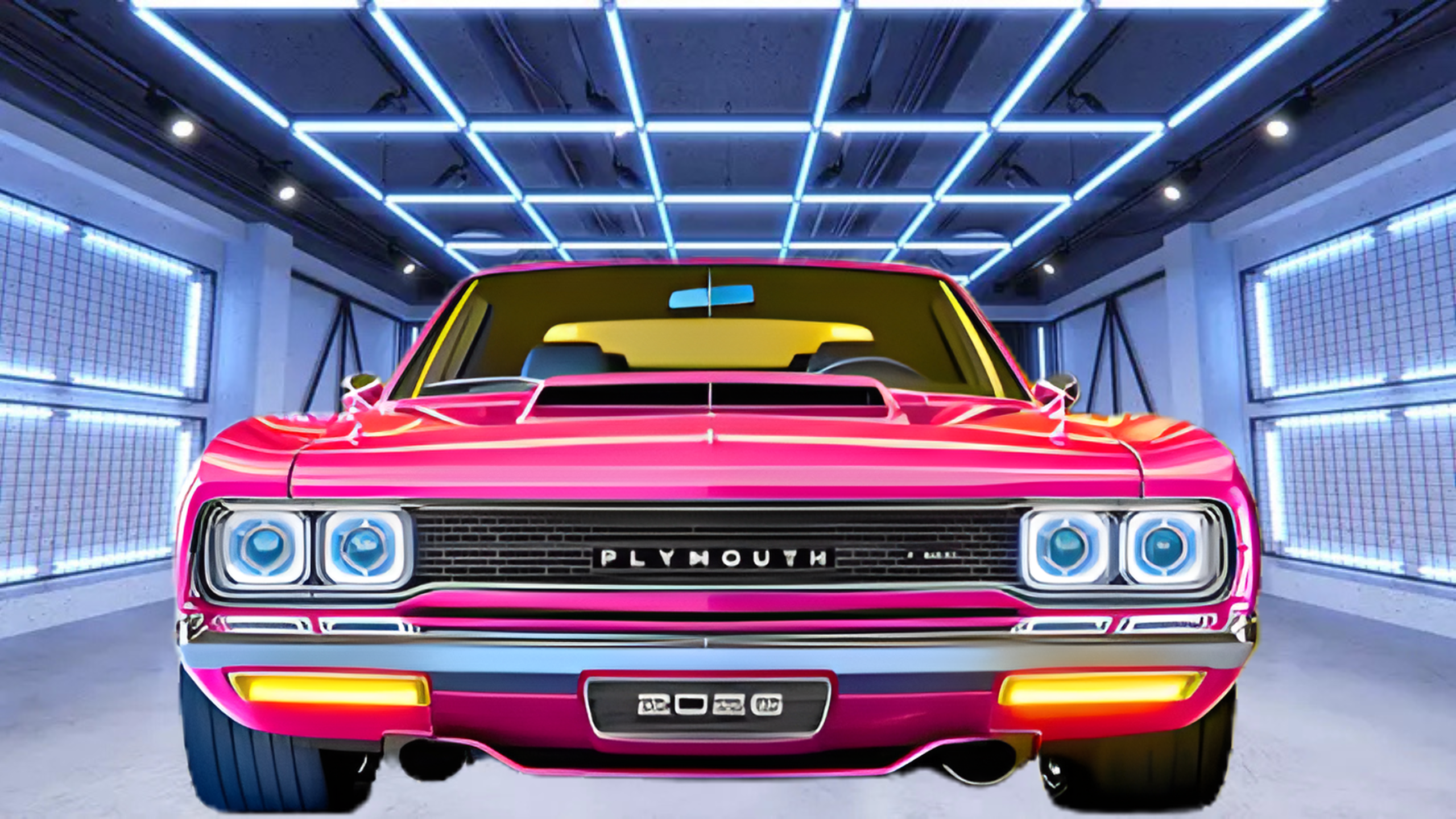
2026 Roadrunner Returns: The automotive world is witnessing something extraordinary—the return of an American icon that defined an entire generation of performance enthusiasts. The 2026 Plymouth Roadrunner is making its grand comeback, bringing with it the raw spirit, thunderous power, and unmistakable character that made the original a legend. For Indian automotive enthusiasts who appreciate American muscle car heritage, this revival represents more than just another vehicle launch—it’s the resurrection of automotive history reimagined for the modern era.
After disappearing from production in 1980, the Roadrunner nameplate remained dormant for over four decades. Now, under the Stellantis umbrella (which owns Chrysler, Dodge, and the former Plymouth brand), this iconic muscle car is roaring back to life with cutting-edge engineering, contemporary styling, and performance capabilities that honor its storied past while embracing the future.
The Roadrunner Legacy: Understanding the Icon
Before exploring what makes the 2026 model special, understanding the Roadrunner’s legendary status provides essential context. The original Plymouth Roadrunner debuted in 1968 during the golden age of American muscle cars, a period when raw horsepower and quarter-mile times mattered more than fuel economy or emissions standards.
The Birth of an Affordable Muscle Legend
In the late 1960s, muscle cars were becoming increasingly expensive as manufacturers loaded them with luxury features. Plymouth recognized an opportunity to create a stripped-down, affordable performance car that prioritized speed over comfort. Engineer Jack Smith led the development team with a simple mandate: build an inexpensive mid-size car with a massive engine that young buyers could afford.
The result was revolutionary. The 1968 Roadrunner started at just $2,896 (approximately $25,000 in today’s money), undercutting competitors by significant margins while delivering genuine performance. Plymouth even paid $50,000 to Warner Bros. for licensing rights to the Roadrunner cartoon character, complete with the iconic “beep-beep” horn sound.
Racing Heritage and Performance Credentials
The Roadrunner quickly earned respect on both street and track. According to historical documentation on Muscle Car Club, Plymouth produced approximately 44,599 Roadrunners in 1969 alone, with the car ranking third in muscle car sales behind only the Pontiac GTO and Chevrolet Chevelle SS-396.
The most potent versions featured the legendary 426 HEMI engine—a 7.0-liter V8 producing 425 horsepower and 490 lb-ft of torque. These HEMI-powered Roadrunners could complete the quarter-mile in under 13.5 seconds, performance that remains impressive even by modern standards.
Why the 2026 Comeback Matters
The revival of the Roadrunner represents more than nostalgia—it reflects evolving market dynamics and changing consumer preferences. Several factors have made this comeback both possible and commercially viable.
The Retro-Modern Trend
Recent years have witnessed successful revivals of classic nameplates including the Ford Mustang, Chevrolet Camaro, Dodge Challenger, and Dodge Charger. These modern interpretations prove that contemporary technology and classic design can coexist harmoniously, attracting both longtime enthusiasts and new buyers.
Stellantis Strategic Vision
Under Stellantis management, the corporation has shown willingness to revive heritage brands and nameplates. The Roadrunner’s return aligns with this strategy, potentially reestablishing Plymouth as a performance-focused brand within the corporate portfolio.
Electrification Opportunities
The 2026 Roadrunner arrives at a pivotal moment when electrification is transforming automotive performance. Hybrid and fully electric powertrains now deliver instant torque and tremendous acceleration—characteristics perfectly suited to muscle car applications.
Available Variants and Trim Levels
The 2026 Roadrunner will launch with multiple variants designed to appeal to different buyer segments, from purists seeking traditional V8 power to forward-thinking enthusiasts embracing hybrid technology.
| Variant | Target Audience | Key Features | Character |
|---|---|---|---|
| Base Roadrunner | Value-conscious enthusiasts | Naturally aspirated V8, manual transmission, essential features | Pure, unfiltered muscle car experience |
| Roadrunner R/T | Balanced performance seekers | Turbocharged engine options, enhanced suspension, upgraded interior | Daily-drivable performance with modern comfort |
| Roadrunner GTX | Luxury performance buyers | Premium materials, advanced technology, refined ride quality | Sophisticated muscle with upscale appointments |
| Roadrunner Hemi | Hardcore power enthusiasts | Supercharged V8, track-focused chassis, aggressive aerodynamics | Maximum performance with racing DNA |
| Roadrunner Hybrid | Future-focused drivers | Hybrid V8 system, electric boost, advanced efficiency | Next-generation muscle car technology |
Special Editions and Heritage Packages
Stellantis plans to offer limited-production special editions that celebrate specific periods in Roadrunner history:
| Special Edition | Inspiration | Unique Elements |
|---|---|---|
| 1968 Heritage Edition | Original launch year | Vintage color options, retro graphics, period-correct interior touches |
| Superbird Tribute | 1970 aerodynamic NASCAR variant | Aerodynamic enhancements, distinctive styling cues, racing heritage |
| HEMI Orange Edition | Classic High-Impact colors | Bold exterior paint, performance upgrades, commemorative badging |
Powertrain Options: From Traditional to Revolutionary
The 2026 Roadrunner’s engine lineup represents the evolution of American muscle, offering choices that span from conventional naturally aspirated V8s to cutting-edge hybrid systems.
Traditional V8 Performance
5.7L HEMI V8
The entry-level V8 option pays homage to Chrysler’s legendary HEMI architecture while incorporating modern technology for improved efficiency and emissions compliance.
| Specification | Details |
|---|---|
| Engine Type | 5.7L naturally aspirated V8 with HEMI combustion chambers |
| Maximum Power | 375 HP @ 5,200 rpm |
| Peak Torque | 410 lb-ft (556 Nm) @ 4,000 rpm |
| Transmission | 6-speed manual or 8-speed automatic |
| 0-100 km/h | 5.2 seconds (estimated) |
| Fuel Economy | 14-16 km/l highway (estimated) |
| Character | Classic V8 rumble with modern reliability |
This engine serves buyers who want authentic muscle car character without the extreme power that makes some modern performance cars intimidating for everyday driving.
6.4L HEMI V8
The mid-range powerplant delivers substantial performance increases while maintaining the naturally aspirated characteristics that purists prefer.
| Specification | Details |
|---|---|
| Engine Type | 6.4L naturally aspirated V8 |
| Maximum Power | 485 HP @ 6,100 rpm |
| Peak Torque | 475 lb-ft (644 Nm) @ 4,300 rpm |
| Transmission | 8-speed automatic with paddle shifters |
| 0-100 km/h | 4.3 seconds (estimated) |
| Top Speed | 290 km/h (electronically limited) |
| Character | Aggressive acceleration with intoxicating exhaust note |
This engine appeals to enthusiasts who want serious performance without the complexity of forced induction.
Forced Induction Performance
6.2L Supercharged HEMI V8
The flagship Roadrunner Hemi variant receives a supercharged powerhouse that delivers devastating acceleration and track-ready performance.
| Specification | Details |
|---|---|
| Engine Type | 6.2L supercharged HEMI V8 |
| Supercharger | 2.7L IHI roots-type supercharger |
| Maximum Power | 707 HP @ 6,000 rpm |
| Peak Torque | 650 lb-ft (881 Nm) @ 4,800 rpm |
| Transmission | 8-speed automatic with high-performance calibration |
| 0-100 km/h | 3.4 seconds |
| Quarter Mile | 10.9 seconds @ 201 km/h |
| Top Speed | 315 km/h (electronically limited) |
This engine positions the Roadrunner Hemi among the most powerful production muscle cars ever created, capable of competing with exotic supercars in straight-line acceleration.
Hybrid Performance System
Hybrid V8 with Electric Boost
The revolutionary Roadrunner Hybrid combines a naturally aspirated V8 with electric motor assistance, delivering immediate torque response and improved efficiency without sacrificing muscle car character.
| Specification | Details |
|---|---|
| Combustion Engine | 5.7L HEMI V8 |
| Electric Motor | 150 HP integrated motor-generator |
| Combined Power | 500+ HP |
| Combined Torque | 550+ lb-ft (745+ Nm) |
| Battery Capacity | 3.6 kWh lithium-ion pack |
| Electric-Only Range | 30-40 km (city driving) |
| 0-100 km/h | 4.1 seconds |
| Fuel Economy | 18-22 km/l combined |
The hybrid system provides electric-only operation for silent urban cruising, seamless electric boost during acceleration, and regenerative braking that recaptures energy. This configuration demonstrates that muscle cars can embrace electrification without losing their essential character.
Exterior Design: Retro-Modern Muscle
The 2026 Roadrunner’s exterior design walks a careful line between honoring heritage and creating contemporary visual impact. Design teams studied classic Roadrunner proportions while incorporating modern aerodynamic knowledge and LED lighting technology.
Front Fascia
The face of the 2026 Roadrunner immediately communicates its muscle car heritage. A wide, aggressive grille dominates the front end, featuring vertical bars that reference the original 1968 model while appearing distinctly contemporary. The classic Roadrunner cartoon character logo sits prominently in the grille center—a direct link to the nameplate’s origins.
Slim LED headlamps with distinctive daytime running light signatures flank the grille, providing modern lighting performance while maintaining aggressive styling. The lower fascia incorporates functional air intakes that feed the engine cooling system and front brakes, combining form and function.
Design Elements:
- Low, wide stance emphasizing road-hugging presence
- Power-dome hood with functional heat extractors
- Sharp body lines creating muscular shoulder definition
- Flush-mounted LED headlamps with sequential turn signals
- Carbon fiber front splitter (Hemi variant)
Side Profile
From the side, the Roadrunner showcases classic muscle car proportions: a long hood, short front overhang, and passenger compartment positioned rearward. These proportions visually communicate rear-wheel-drive performance even when stationary.
Profile Highlights:
- Sculpted fender flares accommodating wide performance tires
- Character lines running from front fenders to rear quarters
- Side window graphics optionally referencing 1960s designs
- Flush door handles for aerodynamic efficiency
- Dual fuel filler doors (traditional and electric charging port on hybrid)
Rear Design
The tail end of the Roadrunner pays explicit tribute to the 1968 original with modern interpretation. Rectangular LED tail lamps recall the classic design while providing contemporary lighting technology. The rear fascia integrates dual exhaust outlets (quad on Hemi variants) that produce the authentic V8 soundtrack enthusiasts demand.
Rear Features:
- Full-width LED tail lamp design with sequential turn signals
- Integrated rear spoiler for aerodynamic stability
- Functional rear diffuser channeling airflow under the vehicle
- Classic Roadrunner graphics optionally adorning the deck lid
- Aggressive exhaust tips with active valve system
Dimensions and Specifications
| Dimension | Measurement |
|---|---|
| Overall Length | 5,085 mm |
| Overall Width | 1,930 mm |
| Overall Height | 1,420 mm |
| Wheelbase | 3,050 mm |
| Ground Clearance | 120 mm |
| Curb Weight | 1,850-1,950 kg (varies by variant) |
| Weight Distribution | 52/48 (front/rear) |
These proportions create an ideal balance between passenger comfort, cargo capacity, and dynamic handling capabilities.
Interior Experience: Classic Meets Contemporary
Step inside the 2026 Roadrunner, and you’ll discover a cabin that successfully merges muscle car heritage with modern luxury and technology. The design philosophy centers on creating a driver-focused environment that feels special every time you slide behind the wheel.
Dashboard and Cockpit Layout
The dashboard design takes inspiration from classic Roadrunners, featuring a horizontal architecture that emphasizes width and creates an open, spacious feeling. However, where the original featured simple analog gauges and basic controls, the 2026 model integrates sophisticated digital displays and advanced interfaces.
The instrument cluster presents a customizable digital display measuring 12.3 inches diagonally. This screen can show traditional gauge graphics that mimic classic analog instruments or modern, information-dense layouts displaying performance data, navigation, and vehicle systems.
Seating and Comfort
Front Seats: The Roadrunner offers deeply bolstered performance seats designed to hold occupants firmly during aggressive cornering while remaining comfortable during long-distance cruising. Base models feature cloth upholstery with manual adjustments, while higher trims upgrade to leather with heating, ventilation, and multi-way power adjustment including lumbar support.
Rear Seats: The rear bench accommodates three passengers, though two adults will find the space more comfortable for extended journeys. The seating position provides adequate headroom and legroom for average-height occupants, though the coupe roofline does compromise rear visibility slightly.
Technology Integration
| Feature | Availability | Functionality |
|---|---|---|
| Touchscreen Infotainment | Standard (8.4″ base, 12″ premium) | Navigation, audio, vehicle settings |
| Wireless Charging | Mid and top trims | Compatible with Qi-enabled smartphones |
| Premium Audio System | Optional | 12-speaker system with subwoofer |
| Digital Instrument Cluster | Standard | Customizable performance displays |
| Head-Up Display | Top trims | Projects critical info onto windshield |
| Smartphone Integration | Standard | Wireless Apple CarPlay and Android Auto |
| Voice Assistant | Standard | Natural language voice commands |
| Wi-Fi Hotspot | Optional | 4G LTE connectivity for passengers |
Interior Dimensions
| Measurement | Specification |
|---|---|
| Front Headroom | 985 mm |
| Front Legroom | 1,070 mm |
| Front Shoulder Room | 1,465 mm |
| Rear Headroom | 920 mm |
| Rear Legroom | 890 mm |
| Trunk Capacity | 454 liters |
The generous trunk space allows the Roadrunner to function as a practical daily driver despite its performance focus, accommodating luggage for weekend trips or golf clubs.
Performance and Handling Dynamics
The 2026 Roadrunner isn’t just about straight-line acceleration—it’s engineered to deliver engaging handling that makes every drive exciting, whether carving through mountain roads or navigating traffic.
Chassis and Suspension
The Roadrunner rides on a modern platform that employs lightweight materials including aluminum suspension components and a strategically reinforced steel unibody structure. This construction achieves optimal rigidity without excessive weight.
Front Suspension: Independent double-wishbone setup with coil-over dampers provides precise wheel control and excellent feedback. Upper and lower control arms use aluminum construction to reduce unsprung weight.
Rear Suspension: Independent multi-link rear suspension maintains tire contact during cornering while isolating road imperfections from the cabin. Adaptive dampers on higher trims automatically adjust damping rates based on driving conditions.
Driving Modes
Selectable driving modes tailor the Roadrunner’s character to match driving conditions and driver preferences:
| Mode | Characteristics | Best Used For |
|---|---|---|
| Street | Balanced throttle response, moderate damping, normal exhaust volume | Daily commuting, mixed traffic |
| Sport | Sharpened throttle, firmer damping, louder exhaust note | Spirited backroad driving |
| Track | Maximum performance, stiffest damping, traction control optimized for circuit driving | Track days, autocross events |
| Custom | User-adjustable parameters for each system | Personalized driving preferences |
| Eco (Hybrid only) | Maximum efficiency, electric-priority operation | Fuel economy optimization |
Braking System
Stopping power matches the Roadrunner’s acceleration capabilities through a comprehensive braking system:
| Component | Specification |
|---|---|
| Front Brakes | 380mm ventilated discs with 6-piston Brembo calipers (Hemi variant) |
| Rear Brakes | 350mm ventilated discs with 4-piston calipers |
| Standard Front | 350mm discs with sliding calipers (base variants) |
| ABS | Multi-mode system with track setting |
| Electronic Brake Distribution | Standard across all variants |
| Brake Assist | Detects emergency braking, applies maximum pressure |
Safety Features and Driver Assistance
Modern safety regulations require comprehensive protection systems, and the 2026 Roadrunner delivers advanced safety technology without compromising its performance character.
Passive Safety Systems
Structural Integrity: The passenger compartment employs ultra-high-strength steel in critical areas, creating a rigid safety cage that protects occupants during collisions. Strategic crumple zones absorb impact energy before it reaches the cabin.
Airbag System: Eight airbags provide comprehensive protection:
- Dual front airbags with adaptive deployment
- Side-impact airbags for front passengers
- Side curtain airbags covering front and rear outboard positions
- Driver knee airbag preventing lower leg injuries
Seatbelt Technology: All positions feature three-point seatbelts with pretensioners and load limiters that optimize restraint forces during impacts.
Active Safety and Driver Assistance
| Feature | Function | Availability |
|---|---|---|
| Adaptive Cruise Control | Maintains set speed and following distance | Standard on mid/top trims |
| Lane Departure Warning | Alerts when unintentionally drifting from lane | Standard |
| Lane Keep Assist | Provides gentle steering corrections | Mid and top trims |
| Blind Spot Monitoring | Warns of vehicles in adjacent lanes | Standard on SLE and above |
| Rear Cross-Traffic Alert | Detects approaching traffic when reversing | Mid and top trims |
| Forward Collision Warning | Warns of potential frontal impacts | Standard |
| Automatic Emergency Braking | Applies brakes if driver doesn’t respond | Standard |
| Rear Parking Sensors | Audio alerts for obstacles behind vehicle | Standard |
| 360-Degree Camera | Bird’s-eye view from four cameras | Top trims only |
| Front and Rear Parking Sensors | Complete perimeter monitoring | Top trims |
Real Owner Experiences: What Classic Roadrunner Enthusiasts Say
While the 2026 model is new, understanding what original Roadrunner owners loved (and occasionally disliked) about their cars provides valuable context for what makes this nameplate special.
Positive Historical Feedback
According to reviews compiled on Cars.com, classic Roadrunner owners expressed overwhelming enthusiasm. One longtime owner named Tony from Pearland, Texas shared: “BOUGHT BRAND NEW IN MADISONVILE, TEXAS. PAID $3,110.00 DOLLARS DRIVE OUT. BLUE COLOR. GREAT CAR! I WISH I HAD IT RIGHT NOW. FASTEST CAR I HAVE EVER HAD! COULD NOT KEEP TIRES ON IT! LOVE, LOVE, IT!”
This testimonial captures the raw excitement and emotional connection that Roadrunner ownership created—feelings the 2026 model aims to recreate for contemporary buyers.
Long-Term Reliability Praise
Another classic owner shared on Mac’s Motor City Garage: “Ordered my Yellow Blaze 1974 Roadrunner with the 440 in October 1973 and took delivery in December. Price was around $5200 loaded with options including A/C. Still have the yellow Runner. Rust free original, never winter driven. All original interior also. Spent over 30 years on display at the Gilmore Museum near Kalamazoo, Michigan.”
This testimony demonstrates the exceptional build quality and durability that allowed Roadrunners to become treasured collectibles maintained for decades—qualities Stellantis aims to replicate in the modern version through advanced materials and engineering.
The Performance Experience
Enthusiasts consistently praised the original Roadrunner’s performance characteristics. According to historical documentation on HotCars, HEMI-equipped 1971 Roadrunners could accelerate with ferocity that made them competitive with much more expensive sports cars of the era.
The no-nonsense approach to performance—big engine, rear-wheel drive, minimal electronic intervention—created a driving experience that felt raw and engaging. The 2026 model balances this authentic character with modern safety and control systems that make the performance accessible to a broader range of drivers.
Competitive Landscape: How the Roadrunner Stacks Up
The 2026 Roadrunner enters a competitive muscle car segment populated by established modern classics. Understanding how it compares helps potential buyers make informed decisions.
Primary Competitors
| Vehicle | Engine Options | Power Range | Key Differentiator |
|---|---|---|---|
| 2026 Plymouth Roadrunner | V8, Supercharged V8, Hybrid V8 | 375-707 HP | Heritage revival, hybrid option, retro-modern design |
| 2026 Dodge Challenger | V6, V8, Supercharged V8 | 303-807 HP | Wide variant range, proven platform, extensive customization |
| 2026 Chevrolet Camaro | Turbo I-4, V6, V8, Supercharged V8 | 275-668 HP | Sharp handling focus, track capability, modern styling |
| 2026 Ford Mustang | Turbo I-4, V8, Hybrid V8 | 315-500 HP | Global appeal, handling balance, advanced technology |
| 2026 Dodge Charger | V6, V8, Supercharged V8 | 303-807 HP | Four-door practicality, family muscle car, sedan comfort |
Roadrunner’s Unique Positioning
The Roadrunner distinguishes itself through several key factors:
Heritage Appeal: The Roadrunner nameplate carries unique nostalgia separate from the Charger and Challenger, attracting collectors and enthusiasts specifically interested in this iconic model’s history.
Hybrid Performance: While Ford offers hybrid Mustang variants, the Roadrunner’s hybrid V8 system delivers a different character that maintains traditional muscle car personality while improving efficiency.
Design Language: The retro-modern styling strikes a different balance than competitors, potentially appealing to buyers seeking something visually distinct from the current Dodge twins.
Relative Rarity: As a newly revived nameplate, initial production will likely be more limited than established competitors, creating exclusivity that collectors value.
Technology and Connectivity Features
Modern vehicles must satisfy tech-savvy buyers who expect seamless integration with digital lifestyles. The Roadrunner delivers contemporary connectivity while maintaining focus on the driving experience.
Infotainment System
The Uconnect 5 system (or its successor) powers the Roadrunner’s infotainment interface, providing intuitive operation through the large touchscreen display. The system responds quickly to inputs and features logical menu structures that minimize distraction.
Key Features:
- Wireless Apple CarPlay and Android Auto (standard)
- Built-in navigation with real-time traffic (optional)
- Voice-activated controls for major functions
- Cloud-connected services for weather, news, and traffic
- Streaming audio via Bluetooth or USB
- Satellite radio capability (subscription required)
- Multiple USB ports (Type-A and Type-C)
- Wireless device charging pad
- 4G LTE Wi-Fi hotspot (optional)
Digital Driver Experience
The fully digital instrument cluster offers multiple display themes including:
Classic Mode: Mimics traditional analog gauges with digital precision Performance Mode: Emphasizes power/torque delivery, g-forces, lap timing Eco Mode: Highlights fuel efficiency, electric operation (hybrid models) Custom Mode: User-configured layout with preferred information
Sound System Options
| System | Speakers | Power Output | Features |
|---|---|---|---|
| Standard Audio | 6 speakers | 200 watts | AM/FM, streaming audio, USB |
| Premium Audio | 12 speakers + subwoofer | 506 watts | Enhanced bass, cabin-tuned acoustics |
| Harman Kardon Premium | 18 speakers + dual subwoofers | 900 watts | Studio-quality audio, noise cancellation |
Fuel Economy and Efficiency
Muscle cars traditionally sacrifice efficiency for performance, but modern engineering allows the 2026 Roadrunner to deliver reasonable fuel economy considering its performance capabilities.
Expected Fuel Consumption
| Powertrain | City | Highway | Combined | Range |
|---|---|---|---|---|
| 5.7L V8 | 12-14 km/l | 18-20 km/l | 14-16 km/l | ~720 km |
| 6.4L V8 | 10-12 km/l | 16-18 km/l | 12-14 km/l | ~640 km |
| 6.2L Supercharged V8 | 9-11 km/l | 14-16 km/l | 11-13 km/l | ~580 km |
| Hybrid V8 | 16-18 km/l | 20-24 km/l | 18-22 km/l | ~900 km |
Note: Fuel economy figures are estimates based on similar powertrains. Actual results vary with driving style, conditions, and vehicle configuration.
Efficiency Technologies
Despite performance focus, the Roadrunner incorporates several technologies to optimize fuel consumption:
- Cylinder Deactivation: V8 engines shut down four cylinders during light-load cruising
- Start-Stop System: Automatically shuts off engine at stoplights (can be disabled)
- Aerodynamic Optimization: Active grille shutters, smooth underbody panels
- Lightweight Construction: Aluminum components reduce overall vehicle weight
- Electric Power Steering: More efficient than hydraulic systems
- LED Lighting: Reduced electrical load compared to traditional bulbs
The hybrid variant achieves the best efficiency through electric-only operation in city traffic and regenerative braking that recaptures energy normally lost as heat.
Indian Market Context: Understanding the Appeal
While the Plymouth Roadrunner won’t be officially sold in India due to left-hand-drive configuration and import complexities, understanding this vehicle provides valuable insights for Indian automotive enthusiasts and collectors.
Why American Muscle Matters to Indian Buyers
American muscle cars hold special appeal for certain Indian automotive enthusiasts:
Cultural Influence: Hollywood films, television shows, and social media have exposed Indian audiences to American car culture, creating fascination with iconic vehicles like the Roadrunner.
Performance Heritage: Muscle cars represent pure, uncompromising performance philosophy different from European sports cars or Japanese imports.
Collector Value: Original classic Roadrunners have appreciated significantly, making them investment-grade collectibles for wealthy enthusiasts.
Engineering Interest: The approach to performance—large-displacement naturally aspirated engines, rear-wheel drive, simplicity—offers contrast to modern turbocharged, all-wheel-drive complexity.
Import Realities and Challenges
A limited number of American muscle cars have reached India through various channels:
Temporary Import Permits: Carnet de Passages allows temporary vehicle importation for tourism or events, though time limits apply.
Permanent Import: Requires compliance with Indian safety and emissions standards, plus left-hand-drive homologation—economically unfeasible for most vehicles.
Collector Status: Vehicles over 15 years old may qualify for import as vintage/classic cars under specific regulations, though restrictions still apply.
Cost Implications: Import duties can exceed 100% of vehicle value, effectively doubling the cost before considering compliance modifications.
Learning from American Performance Engineering
Even without direct availability, the Roadrunner’s engineering philosophy offers lessons applicable to global automotive development:
Powertrain Diversity: Offering multiple engine choices allows manufacturers to serve different buyer priorities—efficiency, performance, cost.
Heritage Value: Successfully reviving classic nameplates demonstrates that automotive history creates genuine market appeal when executed authentically.
Hybrid Integration: The Roadrunner Hybrid proves that traditional performance formats can embrace electrification without losing character.
Driver Engagement: Despite advanced technology, the Roadrunner prioritizes driving enjoyment and emotional connection—qualities that transcend market boundaries.
Expected Launch Timeline and Availability
While Stellantis hasn’t confirmed all details, industry sources and company announcements provide reasonable expectations for the Roadrunner’s market debut.
Launch Schedule
Concept Debut: Late 2025 (expected at major international auto shows) Production Announcement: Q1 2026 Dealer Availability: Q2-Q3 2026 (North American market) International Markets: Late 2026-2027 (select markets only)
Booking and Delivery Process
Stellantis will likely follow established procedures for high-interest performance vehicles:
- Pre-Registration: Enthusiasts can register interest through official channels
- Allocation System: Dealers receive limited initial allocations based on historical performance car sales
- Deposit Requirement: Refundable deposits typically ranging from $5,000-$10,000
- Build Configuration: Buyers select specific combinations of engine, transmission, colors, options
- Production Queue: Vehicles manufactured in order received with estimated delivery windows
- Pre-Delivery Inspection: Thorough quality check before customer handover
Production Expectations
Initial production will likely remain limited to manage demand and maintain exclusivity:
- Year One: 15,000-20,000 units across all variants
- Special Editions: 1,000-2,000 units of limited-run heritage packages
- Hybrid Variants: 20-30% of total production
- Hemi Models: 15-20% of production (highest-performance variants)
Limited initial availability typically creates strong residual values and collector interest, potentially making early examples attractive investments.
Customization and Personalization Options
Muscle car buyers traditionally enjoy customizing their vehicles, and Stellantis will offer extensive factory options plus aftermarket support.
Factory Customization
Paint Colors: 12+ exterior colors including heritage High-Impact shades Interior Trims: Multiple upholstery colors, materials, stitching patterns Wheel Options: 18-inch to 22-inch diameters in various designs Performance Packages: Suspension upgrades, brake enhancements, aerodynamic elements Technology Packages: Premium audio, advanced driver assistance bundling Appearance Packages: Graphics, stripes, unique badging
Mopar Performance Parts
Chrysler’s Mopar division will develop extensive performance and appearance parts:
Engine Enhancements: Cold air intakes, exhaust systems, supercharger upgrades Suspension Components: Adjustable coilovers, sway bars, strut tower braces Aerodynamic Add-Ons: Front splitters, side skirts, rear spoilers, diffusers Wheel and Tire Packages: Lightweight forged wheels, performance tire compounds Interior Upgrades: Pedal sets, shift knobs, steering wheels, gauge trim Lighting: LED upgrades, accent lighting, functional lighting improvements
The extensive aftermarket support ensures buyers can personalize their Roadrunners to match individual preferences and create truly unique vehicles.
Maintenance and Ownership Considerations
Understanding anticipated ownership costs helps buyers plan total expense beyond initial purchase.
Warranty Coverage
Stellantis typically provides competitive warranty protection:
- Basic Warranty: 3 years/60,000 km comprehensive coverage
- Powertrain Warranty: 5 years/100,000 km for engine, transmission, drivetrain
- Corrosion Warranty: 5 years/unlimited kilometers perforation protection
- Roadside Assistance: 5 years/unlimited kilometers emergency support
- Hybrid Components: 8 years/160,000 km battery and electric system coverage