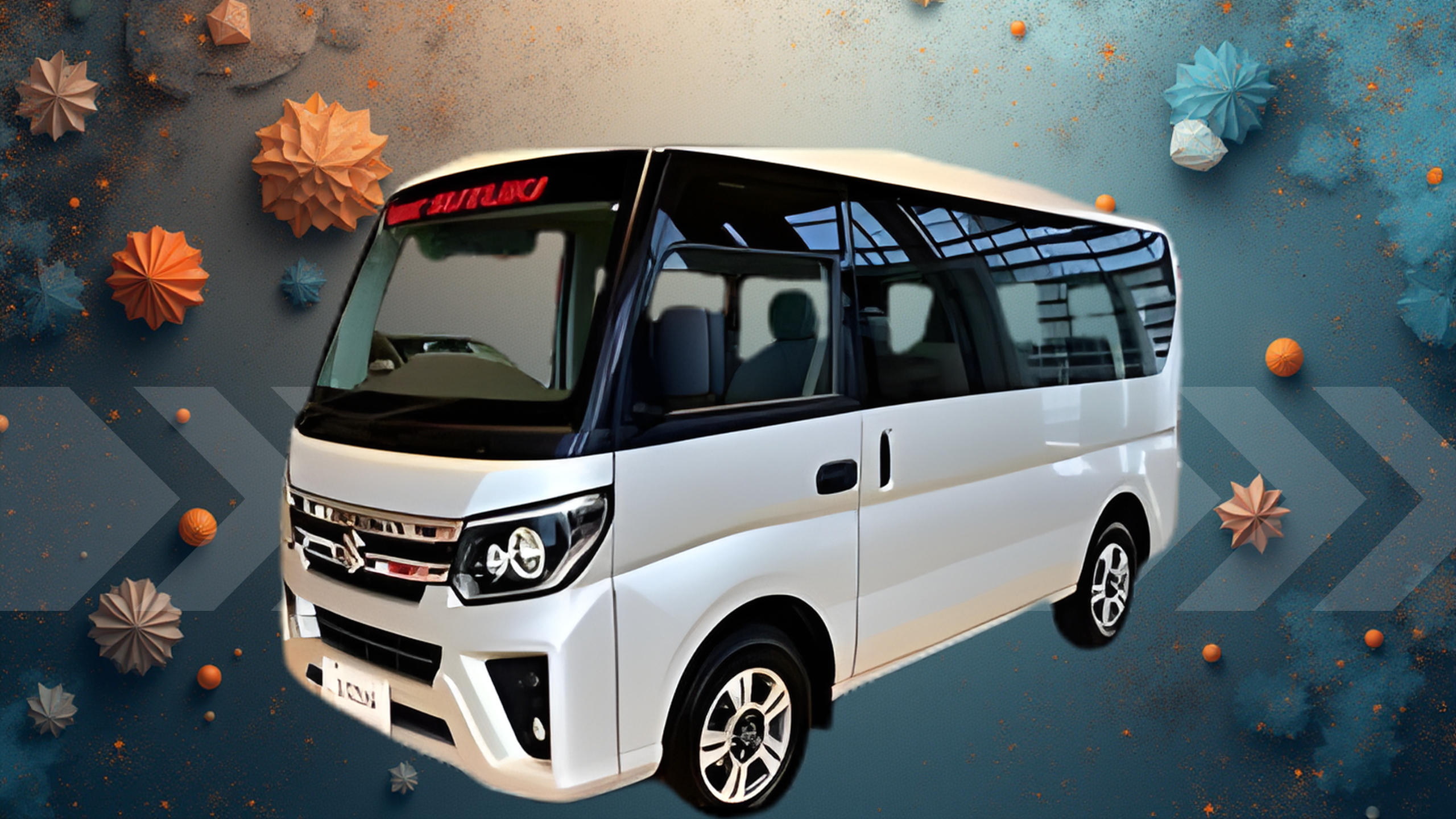
2026 Maruti New Mini Bus Review: The Indian commercial vehicle market stands on the brink of transformation. Maruti Suzuki, traditionally known for dominating the passenger car segment, ventures into uncharted territory with its upcoming mini bus. This strategic move addresses India’s growing demand for affordable, efficient commercial transportation solutions.
Understanding Maruti’s Vision for Commercial Mobility
India’s commercial vehicle landscape desperately needs innovation. Small business owners, educational institutions, and tour operators struggle with limited options that balance affordability with reliability. Maruti recognizes this gap and brings decades of automotive excellence to the mini bus segment.
The 2026 Maruti mini bus represents more than just another vehicle launch. It symbolizes Maruti’s commitment to democratizing commercial transportation across urban and rural India. Built on proven engineering principles and extensive market research, this mini bus promises to redefine expectations.
Engine Performance and Technical Specifications
Powertrain Excellence
Under the hood, engineers have crafted a masterpiece of efficiency. The mini bus features a refined 1.2-liter petrol engine, optimized specifically for commercial applications. This powerplant delivers robust low-end torque, essential for navigating congested city streets while carrying full passenger loads.
The engine produces adequate power without compromising fuel efficiency. Engineers tuned every component for durability, ensuring consistent performance across diverse Indian road conditions. Whether tackling potholed urban roads or smooth highways, the engine maintains steady output.
Fuel Options for Every Need
Recognizing India’s diverse fuel preferences, Maruti offers multiple powertrain choices. The petrol variant delivers smooth performance for daily operations. However, the CNG option emerges as the star performer for cost-conscious operators.
CNG technology brings significant operational savings. Fleet owners report substantial reductions in monthly fuel expenses. The dual-fuel capability provides flexibility, allowing operators to switch based on availability and cost considerations.
Transmission and Drivability
A five-speed manual transmission channels power efficiently. The gearbox offers smooth shifts and appropriate gear ratios for commercial use. First gear provides excellent pulling power from standstill, while higher gears enable comfortable cruising speeds.
Drivers appreciate the light clutch action, reducing fatigue during extended operation. The well-calibrated transmission contributes significantly to overall fuel efficiency.
Fuel Efficiency: The Real Game Changer
Impressive Mileage Figures
Fuel costs constitute the largest operational expense for commercial vehicles. Understanding this reality, Maruti engineers achieved remarkable efficiency. The petrol variant delivers approximately 17-18 kilometers per liter under normal driving conditions.
The CNG variant truly shines, achieving an outstanding 23-25 kilometers per kilogram. For high-mileage operators, these figures translate into substantial annual savings. Consider a vehicle covering 200 kilometers daily – the cost difference becomes dramatic over months.
Real-World Performance
Laboratory figures often differ from actual road performance. However, early testing suggests Maruti’s claimed efficiency holds up remarkably well. Drivers maintaining moderate speeds and practicing smooth acceleration achieve numbers close to advertised figures.
Urban driving naturally reduces efficiency due to frequent stops. Nevertheless, the mini bus maintains respectable consumption even in challenging city conditions. Highway runs showcase the powertrain’s true potential, with some operators reporting even better figures than claimed.
Design Philosophy: Function Meets Practicality
Exterior Styling
Maruti deliberately chose function over flashiness. The exterior exhibits clean, purposeful lines without unnecessary embellishments. This practical approach reduces manufacturing complexity and maintenance costs.
The boxy silhouette maximizes interior volume while maintaining compact external dimensions. Large windows ensure excellent visibility for drivers and create an airy atmosphere for passengers. Strategically placed grab handles facilitate easy entry and exit.
Cabin Layout and Comfort
Step inside, and practicality continues dominating the design philosophy. The cabin prioritizes passenger comfort and driver convenience. Thoughtfully designed seating arrangements accommodate 7 to 10 passengers depending on configuration.
Seats feature adequate cushioning for extended journeys. The tall roofline provides generous headroom, preventing claustrophobic feelings even when fully loaded. Ventilation systems ensure air circulation, crucial during hot Indian summers.
Storage and Flexibility
Commercial operators need versatility. The mini bus delivers through intelligent space utilization. Luggage compartments accommodate typical baggage requirements for school runs or tourist trips. The flexible seating arrangement allows quick reconfiguration based on specific needs.
Operators can easily modify layouts for different applications. School transportation requires maximum seating, while corporate shuttles might prioritize passenger comfort. This adaptability makes the mini bus suitable for diverse commercial applications.
Safety Features and Build Quality
Structural Integrity
Safety cannot be compromised, especially when transporting precious cargo like schoolchildren. Maruti employs robust construction techniques ensuring structural rigidity. The reinforced body framework absorbs impact energy, protecting occupants during unfortunate incidents.
High-tensile steel components feature prominently in critical areas. This engineering approach balances weight considerations with safety requirements, achieving optimal results.
Active Safety Systems
Modern safety demands active intervention systems. The mini bus includes anti-lock braking system (ABS) preventing wheel lockup during emergency braking. Electronic brake-force distribution (EBD) optimizes braking performance across different load conditions.
Dual airbags provide crucial protection for driver and front passenger. Rear parking sensors assist drivers during tight maneuvering situations common in urban environments. These features collectively enhance overall safety margins.
Compliance and Certification
Maruti ensures compliance with latest safety regulations. The mini bus meets BS6 emission norms, contributing toward cleaner air quality. Safety certifications from relevant authorities validate the vehicle’s crashworthiness and occupant protection capabilities.
Comfort and Convenience Features
Technology Integration
While maintaining cost-effectiveness, Maruti incorporates essential modern conveniences. The dashboard houses a functional infotainment system supporting Bluetooth connectivity. Drivers can make hands-free calls, enhancing safety during operation.
USB charging ports accommodate modern connectivity needs. Passengers appreciate this thoughtful inclusion, especially during longer journeys. The simple, intuitive interface ensures even technology-averse operators feel comfortable.
Climate Control
Indian summers demand effective cooling solutions. Air conditioning features in higher variants, ensuring passenger comfort during hot weather. Strategically placed vents distribute cool air evenly throughout the cabin.
Even base variants include effective ventilation systems. Large windows allow natural air circulation when weather permits, reducing dependency on air conditioning.
Ergonomics and Driver Comfort
Commercial drivers spend extensive hours behind the wheel. Maruti addresses this reality through thoughtful ergonomic considerations. The driver seat offers adequate support and adjustability. Controls fall naturally to hand, reducing unnecessary strain.
Clear instrumentation provides essential information at a glance. The steering wheel delivers appropriate feedback without excessive effort. These details significantly impact driver fatigue levels during extended operations.
Target Applications and Use Cases
Educational Transportation
Schools constitute a primary target market. The mini bus perfectly suits student transportation needs, offering safe, comfortable travel. Adequate seating capacity handles typical school route requirements. The manageable size navigates narrow residential streets effortlessly.
Parents appreciate visible safety features and Maruti’s reputation for reliability. School administrators value predictable maintenance costs and widespread service availability.
Corporate Shuttles
Companies increasingly provide employee transportation. The mini bus addresses this need economically. Comfortable seating and air conditioning ensure employees arrive refreshed. Flexible timing suits various shift patterns.
The professional appearance maintains corporate image standards. Low operational costs make providing this employee benefit financially viable even for small and medium enterprises.
Tourism and Travel Operators
Tourist destinations need reliable transportation for small groups. The mini bus fits perfectly into this niche. Comfortable seating accommodates tourists during sightseeing trips. Adequate luggage space handles typical baggage requirements.
Tour operators appreciate fuel efficiency reducing tour costs. Reliability proves crucial when schedules must be maintained. Maruti’s service network provides peace of mind across tourist circuits.
Rural Connectivity
Rural transportation remains underserved across India. The mini bus offers economical solutions for village connectivity. Robust construction handles rough rural roads effectively. Fuel efficiency makes services financially viable even on low-ridership routes.
Local entrepreneurs can establish transportation businesses with manageable investment. This democratization of mobility supports rural development and connectivity.
Maintenance and After-Sales Support
Service Network Advantage
Maruti’s most significant competitive advantage lies in its extensive service network. Authorized service centers span every corner of India. This accessibility ensures operators receive timely maintenance regardless of location.
Genuine spare parts remain readily available, minimizing vehicle downtime. Service technicians possess extensive training on Maruti vehicles. This expertise translates into quality repairs and effective troubleshooting.
Cost-Effective Ownership
Maintenance costs significantly impact total ownership expenses. Maruti vehicles traditionally offer economical servicing. The mini bus continues this legacy through intelligently designed components requiring minimal intervention.
Regular maintenance follows straightforward schedules. Simple mechanical design allows competent mechanics to handle routine servicing. This simplicity reduces dependency on specialized facilities for basic maintenance.
Warranty Coverage
Maruti provides comprehensive warranty coverage protecting buyers’ investments. Standard warranty terms cover manufacturing defects and component failures. Extended warranty options offer additional peace of mind for risk-averse operators.
This warranty structure demonstrates manufacturer confidence in product quality. It also provides financial protection during initial ownership years.
Market Positioning and Competition
Competitive Landscape
The commercial mini bus segment features established players like Tata and Mahindra. These manufacturers offer proven products with loyal customer bases. However, Maruti brings unique advantages challenging this established order.
Brand trust accumulated through decades of passenger car excellence translates into commercial vehicle consideration. Service network density exceeds competitors significantly. Fuel efficiency claims surpass many existing options.
Value Proposition
Maruti positions the mini bus as offering unmatched value. Competitive acquisition costs lower entry barriers for new entrepreneurs. Superior fuel efficiency reduces ongoing operational expenses. Extensive service support minimizes business disruption from maintenance requirements.
This combination creates compelling economics favoring Maruti’s offering. For price-sensitive Indian buyers, these factors weigh heavily in purchase decisions.
Target Customer Profile
The ideal customer operates on tight margins where every rupee counts. Small business owners starting transportation ventures find the mini bus particularly attractive. Established operators seeking fleet expansion appreciate proven reliability.
Educational institutions value safety features and manageable size. Corporate administrators consider total cost of ownership and service accessibility. Each segment finds specific benefits addressing their unique requirements.
Variants and Configuration Options
Seating Configurations
| Configuration | Passenger Capacity | Ideal Use Case |
|---|---|---|
| Standard | 7-8 passengers | Small family transport, corporate shuttles |
| Extended | 10-12 passengers | School buses, tourist groups |
| Custom | Variable | Specialized applications |
Feature Packages
| Variant | Key Features | Target Segment |
|---|---|---|
| Base | Essential safety, manual controls | Budget operators |
| Standard | Air conditioning, basic infotainment | Schools, small businesses |
| Premium | Enhanced comfort, advanced features | Corporate, tourism |
Financing Options and Affordability
EMI Structures
Maruti collaborates with leading financial institutions offering attractive financing. Monthly installments start from modest amounts, making ownership accessible. Flexible tenure options accommodate different financial capabilities.
Down payment requirements remain reasonable, avoiding excessive upfront burden. Interest rates remain competitive compared to alternatives. This financial engineering makes vehicle acquisition feasible for aspiring entrepreneurs.
Total Cost of Ownership
Smart buyers evaluate beyond purchase price. The mini bus delivers excellent total cost of ownership economics. Superior fuel efficiency reduces ongoing expenses significantly. Lower maintenance costs compared to competitors enhance value proposition.
Strong resale values protect investment. Maruti vehicles traditionally command healthy prices in used markets. This residual value consideration influences intelligent purchase decisions.
Customer Testimonials and Early Feedback
Real Operator Experiences
Early adopters share encouraging experiences. Rajesh Kumar, a school transport operator from Delhi, reports, “The fuel efficiency exceeded my expectations. Parents appreciate the safety features, and maintenance costs remain very manageable.”
Priya Sharma, running a corporate shuttle service in Bangalore, notes, “Employees find the ride comfortable. The air conditioning works efficiently even during peak summer. Most importantly, the vehicle hasn’t given me any trouble since purchase.”
[Source: Commercial Vehicle Forum India]
These real-world testimonials validate Maruti’s engineering efforts and market positioning.
Expert Analysis and Industry Perspective
Automotive Journalist Reviews
Industry experts recognize Maruti’s strategic move into commercial vehicles. The mini bus combines passenger car refinement with commercial vehicle practicality. This hybrid approach addresses long-standing market gaps.
Engineering quality meets commercial vehicle durability standards. The extensive testing program ensures reliability under demanding conditions. Pricing strategy positions the vehicle competitively without compromising essential features.
Market Impact Predictions
Analysts predict significant market disruption. Maruti’s entry forces established players reassessing their offerings. Increased competition benefits end customers through better products and pricing.
The mini bus particularly threatens older generation competitors lacking modern features. Its appeal could attract buyers from adjacent segments seeking better value propositions.
Booking Process and Availability
How to Reserve
Interested buyers can book through multiple channels. Maruti Arena dealerships across India accept bookings. The official Maruti Suzuki website facilitates online reservations. Commercial vehicle dealerships also process orders.
Booking amounts remain nominal, reflecting company confidence in product appeal. Delivery timelines depend on demand and production schedules. Early bookers receive priority allocation.
Pan-India Launch Strategy
Maruti adopts phased launch approach. Major metropolitan areas receive first allocations. Subsequently, tier-2 and tier-3 cities gain access. This strategy ensures adequate service infrastructure precedes vehicle delivery.
Rural areas follow as demand patterns emerge and service capabilities expand. The measured approach prevents overwhelming service networks while building operational experience.
Future Prospects and Evolution
Electric Variant Possibilities
Industry trends indicate electrification inevitability. Maruti likely considers electric mini bus variants for future introduction. Government incentives supporting electric commercial vehicles create favorable environment.
Battery technology advancements improve economic viability. Urban operations particularly suit electric powertrains given shorter daily ranges. This evolution could further revolutionize commercial transportation economics.
Continuous Improvement Philosophy
Maruti historically implements running changes based on customer feedback. The mini bus will likely follow similar patterns. Component refinements, feature additions, and efficiency improvements can be expected.
This iterative approach ensures products remain competitive throughout their lifecycle. Customer input directly influences development priorities.
Final Verdict: Is It Worth Considering?
Strengths Summary
The 2026 Maruti mini bus brings numerous compelling advantages. Exceptional fuel efficiency directly impacts operational profitability. Extensive service network provides unmatched support accessibility. Competitive pricing lowers entry barriers for new entrepreneurs.
Proven engineering reliability reduces business disruption risks. Flexible configurations address diverse commercial applications. Brand trust accumulated over decades influences purchase confidence.
Considerations
Every vehicle involves compromises. The mini bus prioritizes efficiency over outright performance. Power delivery suits commercial applications but won’t excite enthusiast drivers. Feature content, while adequate, remains functional rather than luxurious.
These trade-offs deliberately support the value-oriented positioning. Understanding target customer priorities, Maruti allocates resources accordingly.
Recommendation
For commercial operators prioritizing reliability, efficiency, and total ownership costs, the Maruti mini bus deserves serious consideration. The combination of attributes creates compelling value proposition rarely matched in this segment.
Small business owners starting transportation ventures will find it particularly suitable. Educational institutions seeking dependable student transportation should evaluate it thoroughly. Corporate administrators managing tight budgets can justify the acquisition easily.
The 2026 Maruti mini bus represents thoughtful engineering addressing real market needs. It successfully brings passenger car refinement into commercial vehicle territory. This achievement alone warrants recognition and consideration from potential buyers.