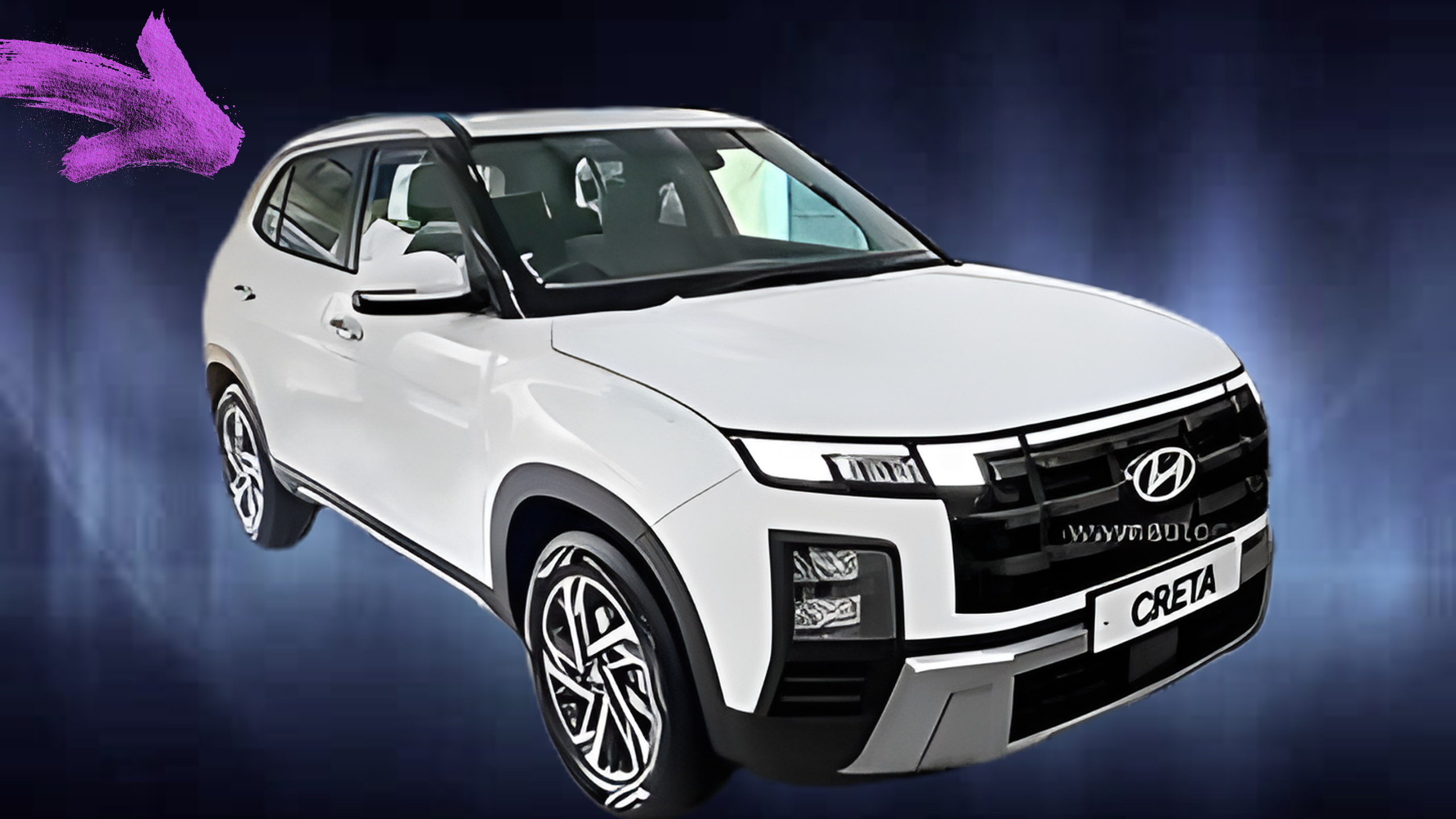
2026 Hyundai Creta Hybrid Launch: The Indian automotive landscape stands on the brink of transformation as Hyundai Motor India prepares to introduce its groundbreaking hybrid powertrain technology with the upcoming Creta lineup. While the full next-generation Creta Hybrid is officially scheduled for 2027, the groundwork being laid in 2026 marks a pivotal moment for Indian car buyers seeking fuel efficiency without compromising performance.
Why the Creta Hybrid Matters for Indian Roads
For over a decade, the Hyundai Creta has dominated India’s mid-size SUV segment, becoming synonymous with reliability, comfort, and prestige. With rising fuel costs affecting household budgets and environmental consciousness gaining momentum, the hybrid variant addresses two critical concerns simultaneously. Unlike fully electric vehicles that face infrastructure challenges across tier-2 and tier-3 cities, hybrid technology offers immediate benefits without range anxiety.
The decision to introduce hybrid technology stems from Hyundai’s deep understanding of Indian driving patterns. Stop-and-go city traffic, long highway journeys, and diverse road conditions demand a powertrain that adapts intelligently. The strong hybrid system being developed specifically addresses these needs through regenerative braking during urban commutes and seamless power delivery on expressways.
Revolutionary Powertrain: The Heart of Innovation
At the core of the 2026 Creta Hybrid lies a sophisticated strong hybrid system combining a 1.5-liter naturally aspirated four-cylinder petrol engine with an electric motor. This configuration differs fundamentally from mild-hybrid alternatives currently available in competitors, offering pure electric driving capability for short distances within city limits.
The hybrid architecture allows the Creta to operate in multiple modes depending on driving conditions. During low-speed urban driving, the electric motor provides instant torque while keeping emissions minimal. As speeds increase, the petrol engine activates smoothly, working in harmony with the electric motor for optimal performance. When decelerating or braking, the regenerative system captures kinetic energy, converting it back into electrical power that charges the battery pack.
Industry experts estimate the hybrid Creta will deliver exceptional fuel efficiency exceeding 22 kilometers per liter under real-world Indian driving conditions. This represents significant improvement over conventional petrol variants, translating into substantial savings over the vehicle’s ownership period. For families covering 15,000 kilometers annually, the fuel savings could offset the hybrid premium within three years.
Design Evolution: Blending Boldness with Refinement
The next-generation Creta Hybrid embraces a more muscular, squared-off design philosophy compared to the current generation’s flowing lines. Spy photographs reveal a commanding road presence with a prominent parametric grille incorporating active shutters for improved aerodynamics. The full-width LED light bar creates a distinctive signature, ensuring the Creta Hybrid stands apart even in crowded parking lots.
The hybrid variant features unique design elements including specific alloy wheel patterns optimized for aerodynamic efficiency and exclusive badging denoting its eco-friendly credentials. Body-colored cladding adds sophistication while LED headlamps with advanced projection technology ensure excellent visibility during monsoon conditions and night driving on poorly lit rural highways.
Interior Excellence: Technology Meets Comfort
Inside, the Creta Hybrid cabin represents Hyundai’s commitment to premium experiences. Twin 10.25-inch displays create a seamless digital cockpit, with the instrument cluster providing hybrid-specific information including energy flow diagrams, battery charge levels, and real-time fuel consumption metrics. The infotainment system integrates seamlessly with smartphone ecosystems through wireless Android Auto and Apple CarPlay.
Material quality receives significant upgrades with soft-touch surfaces, leatherette upholstery featuring ventilation functions, and ambient lighting offering 64 color combinations. The panoramic sunroof remains a highlight, especially appreciated by Indian families during weekend getaways. Rear passengers enjoy generous legroom, reclining backrests, and dedicated air conditioning vents with Type-C charging ports – features particularly valued during long-distance travel.
Storage solutions abound throughout the cabin, addressing Indian buyers’ practical needs. The center console incorporates wireless charging pads, cup holders, and clever compartments for toll receipts and documents. Rear passengers benefit from seatback pockets and additional storage solutions thoughtfully integrated into the door panels.
Safety Technologies: Protecting What Matters Most
Safety represents a non-negotiable priority for Indian families, and the Creta Hybrid responds comprehensively. Advanced Driver Assistance Systems (ADAS) will likely include adaptive cruise control, lane-keeping assist, autonomous emergency braking, and blind-spot monitoring. These technologies work continuously in the background, intervening only when necessary to prevent accidents.
The structural integrity receives enhancements through high-strength steel construction in critical zones. Six airbags come standard across variants, supplemented by Electronic Stability Control, Hill Start Assist, and Tyre Pressure Monitoring System. The 360-degree camera system proves invaluable when navigating tight urban spaces or uncertain rural terrain.
For hybrid-specific safety, Hyundai implements multiple battery protection systems including thermal management, impact sensors, and automatic power disconnection during collisions. These invisible safeguards ensure the hybrid powertrain remains completely safe under all operating conditions.
Market Positioning: Challenging the Competition
When launched, the Creta Hybrid enters direct competition with established players including the Maruti Suzuki Grand Vitara, Toyota Urban Cruiser Hyryder, and the upcoming Honda Elevate hybrid. The Renault Duster hybrid and Kia Seltos hybrid will also contest this growing segment, creating healthy competition that benefits consumers through improved technology and competitive pricing.
Hyundai’s strategy involves positioning the Creta Hybrid as a premium yet accessible option. While commanding a premium over conventional variants, the hybrid technology justifies the additional investment through long-term fuel savings, lower emissions, and enhanced resale value. The strong Creta brand equity built over ten years provides significant advantage in swaying buyer decisions.
Local manufacturing of critical hybrid components including battery packs and motor-generator units will help Hyundai maintain price competitiveness. This localization strategy aligns with government initiatives promoting domestic manufacturing and could potentially attract incentives under various green mobility schemes.
Real Customer Perspectives: Trust Built Over Time
The Creta’s stellar reputation among existing owners provides valuable insights into what hybrid buyers can expect. According to verified reviews on CarDekho, owners consistently praise the vehicle’s comfort, reliability, and low maintenance costs. One owner shared, “The smooth experience while driving is amazing. No vibration inside the car, good mileage on long drives. Very comfortable seats with premium feel throughout.”
Another long-term Creta owner mentioned, “After 5+ years and 50,000+ kilometers, the best value proposition with 18-20 kmpl mileage and low maintenance costs makes it perfect for Indian conditions.” Such testimonials demonstrate the foundation upon which the hybrid variant will build, combining proven reliability with enhanced efficiency.
The seamless integration of technology receives particular appreciation. As noted in a recent CarWale review, owners value how the infotainment responds quickly, the ventilated seats prove genuinely effective during summer months, and the powerful air conditioning handles India’s extreme temperatures effortlessly. These real-world experiences indicate the hybrid variant will meet and exceed expectations when it incorporates additional advanced technologies.
Variants and Specification Overview
| Variant Category | Expected Powertrain Options | Transmission | Key Features |
|---|---|---|---|
| Base Variants | 1.5L Petrol | 6-Speed Manual | Essential safety features, touchscreen infotainment |
| Mid Variants | 1.5L Petrol / Diesel | Manual / Automatic | Sunroof, connected car tech, rear AC vents |
| Premium Variants | 1.5L Turbo Petrol / Hybrid | 7-Speed DCT / Hybrid Auto | ADAS, ventilated seats, 360-camera |
| Top Variants | Hybrid Powertrain | Hybrid Automatic | Full ADAS suite, premium Bose audio, all features |
| Technical Specifications | Details |
|---|---|
| Hybrid Engine | 1.5L NA Petrol + Electric Motor |
| Power Output (Combined) | ~140 HP (estimated) |
| Fuel Efficiency | 22-25 km/l (expected) |
| Battery Type | Lithium-ion (locally manufactured) |
| Seating Capacity | 5 Adults |
| Ground Clearance | 190 mm (approx.) |
| Boot Space | 430-450 liters (estimated) |
Environmental Impact: Driving Sustainable Change
The hybrid Creta’s environmental credentials extend beyond improved fuel economy. Reduced carbon emissions contribute meaningfully to air quality improvement in congested urban centers. The regenerative braking system minimizes brake dust pollution, while the electric-only driving mode eliminates tailpipe emissions during residential area operation.
For environmentally conscious buyers, choosing hybrid technology represents a practical step toward sustainability without the compromises associated with current-generation electric vehicles. The hybrid powertrain significantly reduces petroleum dependency while maintaining the flexibility needed for India’s diverse geography and developing infrastructure.
Expert Analysis: Future-Proofing Your Investment
Automotive analysts view the Creta Hybrid as Hyundai’s strategic bridge between conventional powertrains and full electrification. As India gradually develops EV infrastructure and battery costs decline, hybrid technology provides immediate benefits while preparing buyers for eventual transition to fully electric mobility.
The investment perspective looks favorable considering multiple factors. Firstly, government policies increasingly favor low-emission vehicles through reduced GST rates and potential state-level incentives. Secondly, anticipated BS7 emission norms coming into effect around 2027 will make conventional diesel engines significantly more expensive, automatically improving hybrid competitiveness.
Resale value projections remain strong given the Creta’s established brand equity and growing acceptance of hybrid technology. As fuel prices continue climbing and environmental awareness increases, pre-owned hybrid vehicles will command premium pricing in the secondary market, protecting buyers’ investments effectively.
Ownership Experience: What to Expect
Maintaining a hybrid Creta should prove straightforward given Hyundai’s extensive service network across India. The company has committed to training technicians specifically for hybrid technology, ensuring quality service even in smaller towns. Warranty coverage for hybrid-specific components will likely extend beyond standard warranty periods, providing additional peace of mind.
Running costs decrease substantially compared to conventional powertrains. Beyond fuel savings, hybrid systems experience less engine wear due to reduced operating hours, potentially extending service intervals. Brake pad life increases dramatically thanks to regenerative braking, while the electric motor requires minimal maintenance throughout its operational life.
The driving experience emphasizes refinement and smoothness. The instant torque from the electric motor enhances city drivability, eliminating the typical lag associated with conventional automatic transmissions. Highway cruising becomes more efficient as the system intelligently balances power sources for optimal fuel consumption without driver intervention.
Conclusion: The Road Ahead
The 2026-2027 Hyundai Creta Hybrid represents more than just another variant in Hyundai’s lineup – it symbolizes the future direction of Indian mobility. By combining proven reliability with advanced efficiency technology, Hyundai addresses the evolving needs of Indian families seeking practical, economical, and environmentally responsible transportation solutions.
For buyers considering the hybrid Creta, the value proposition extends beyond immediate fuel savings to encompass long-term ownership benefits, environmental contributions, and future-proof technology investment. As Hyundai continues refining the hybrid system ahead of launch, expectations remain high that the Creta Hybrid will set new benchmarks in the mid-size SUV segment, just as the original Creta did a decade ago.
The wait until the official launch may test patience, but the resulting product promises to be worth the anticipation – a comprehensive package that honors the Creta legacy while boldly embracing sustainable automotive technology.